| CPF Phase-I |

|
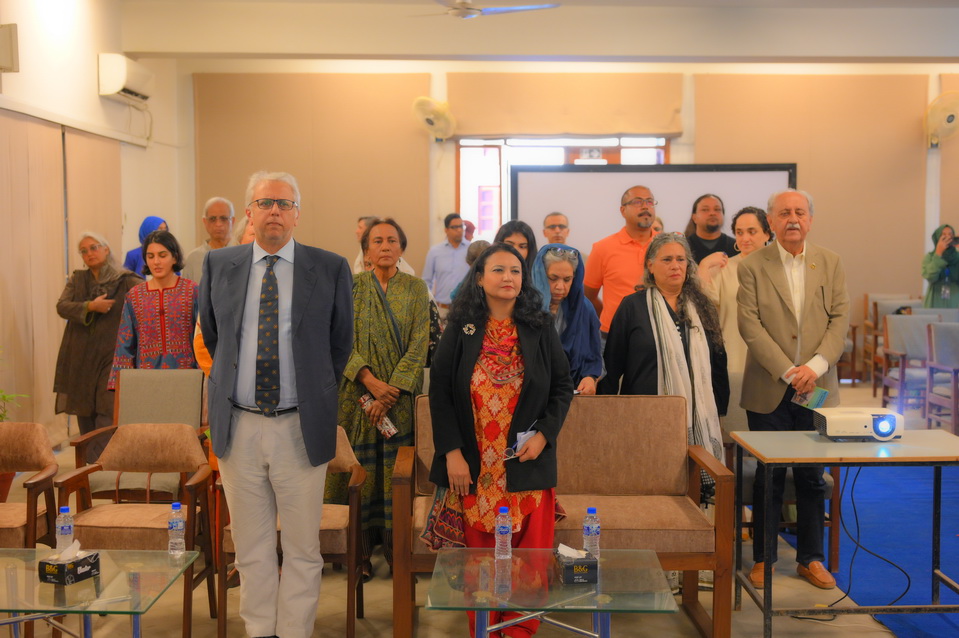
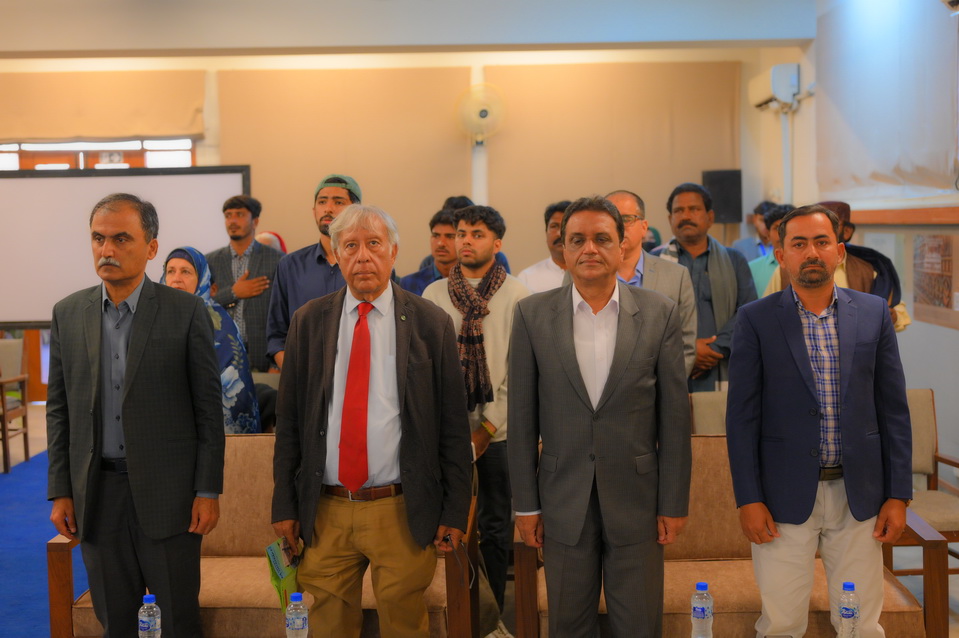
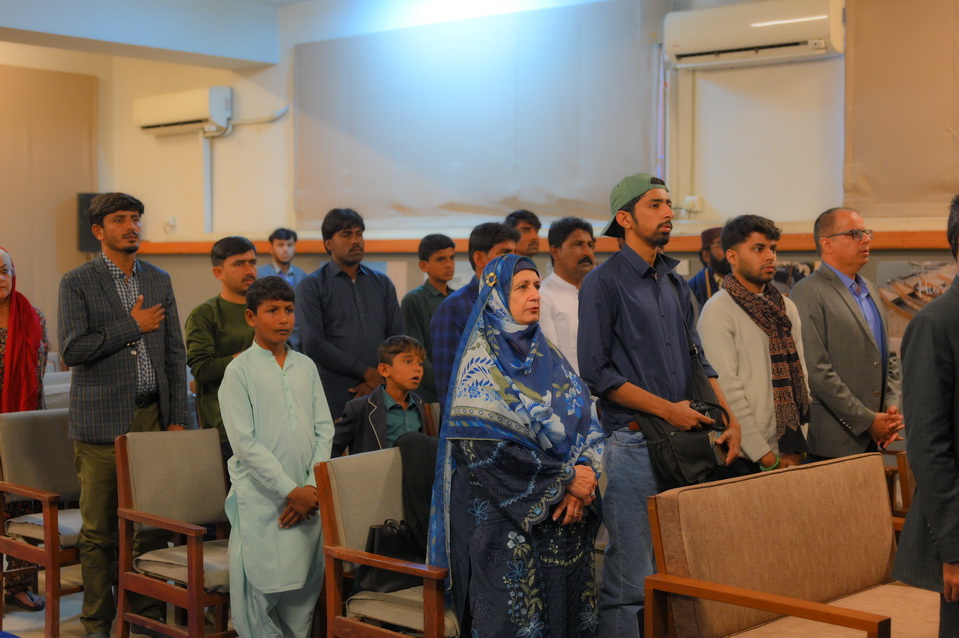
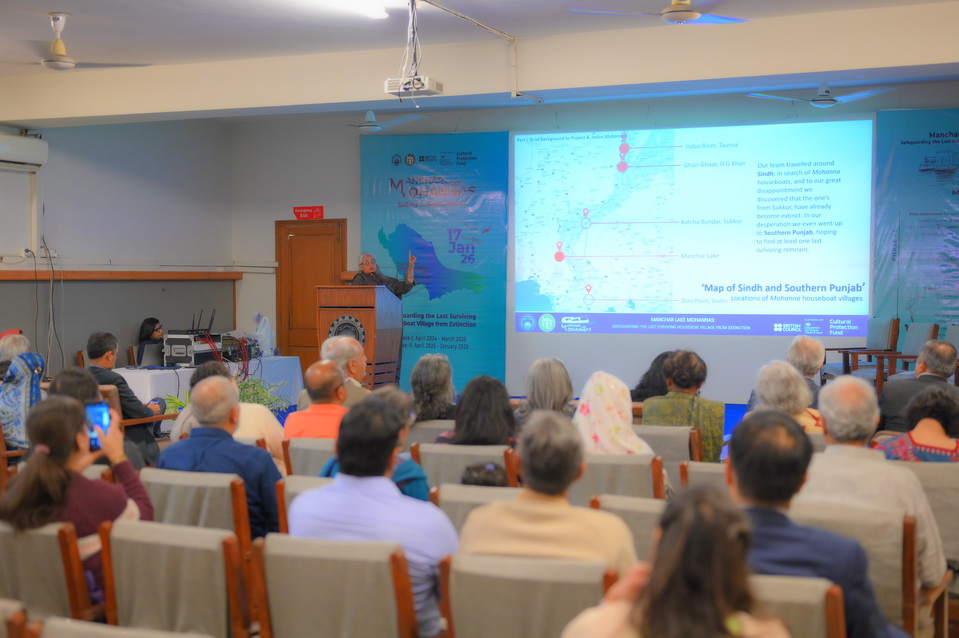
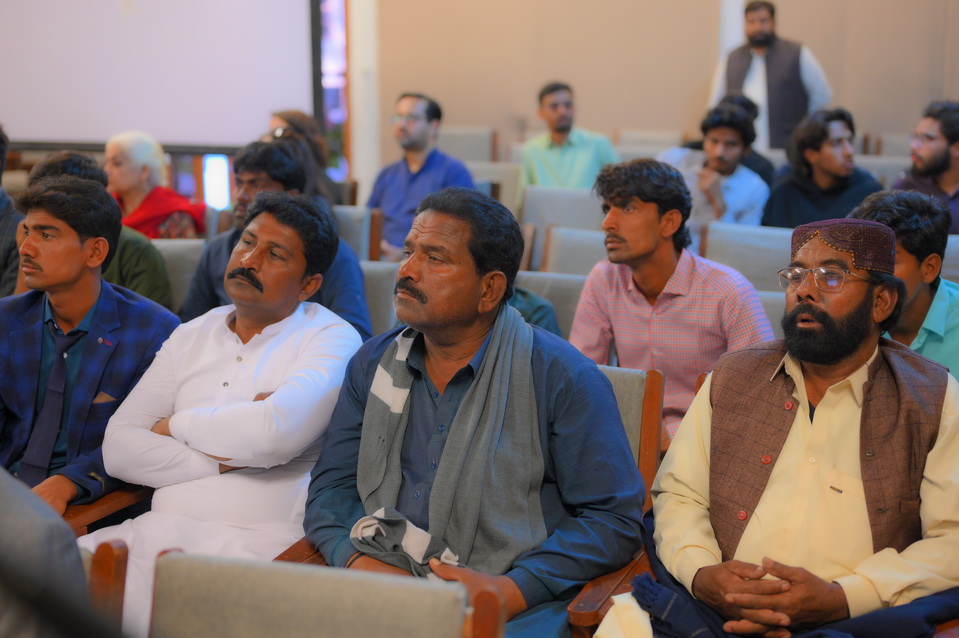
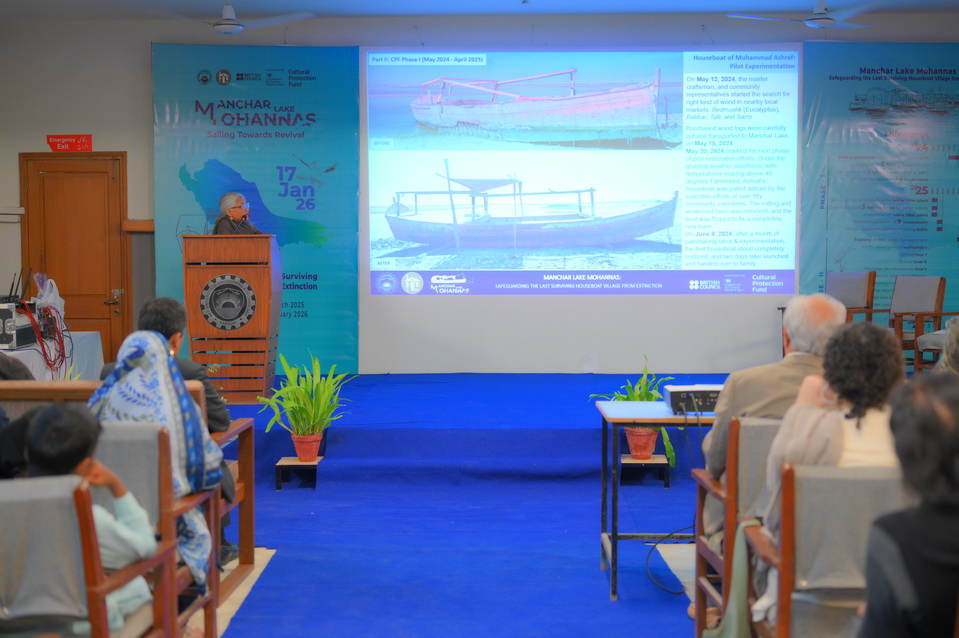
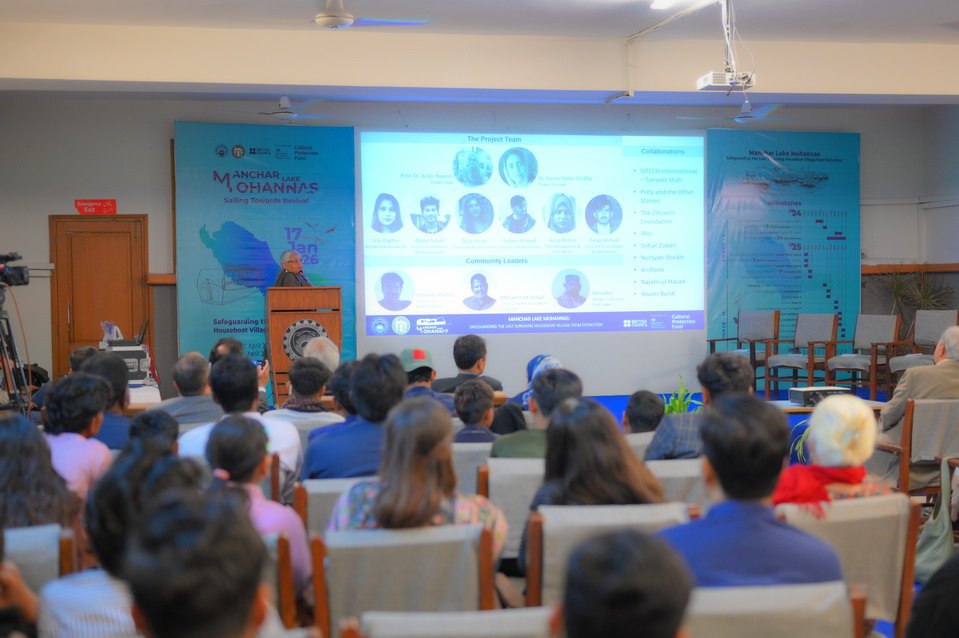
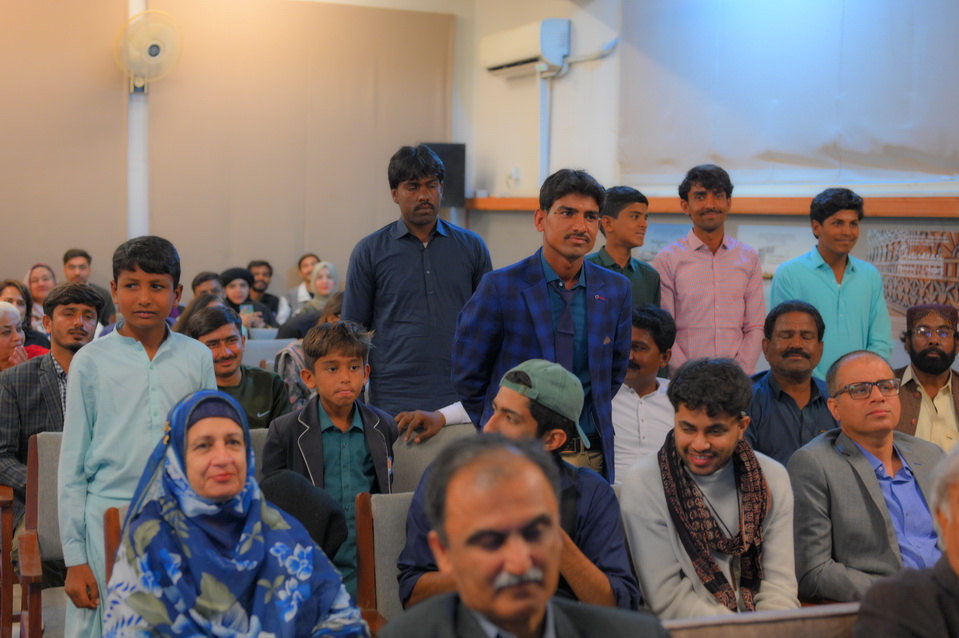
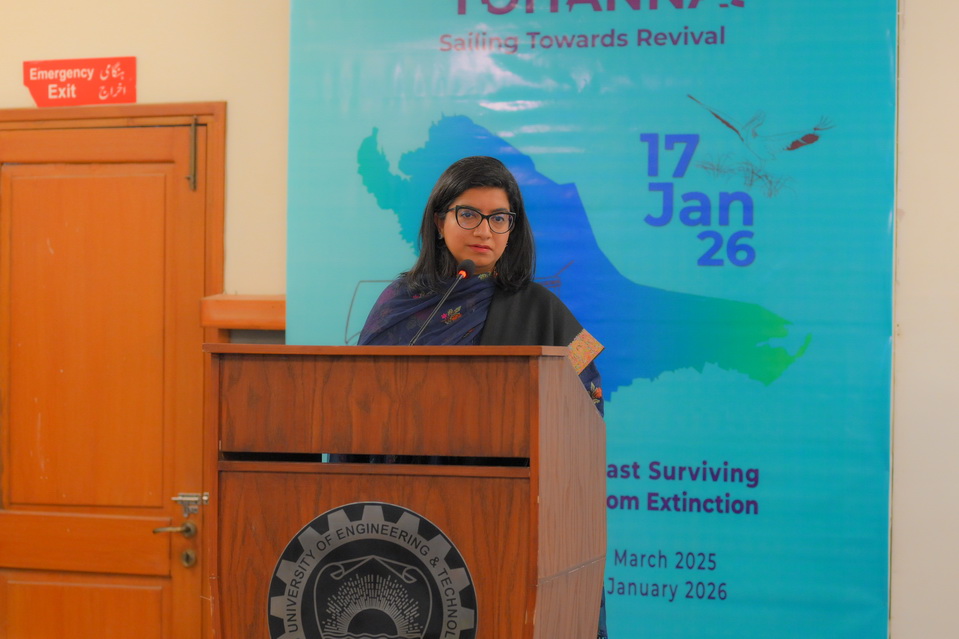
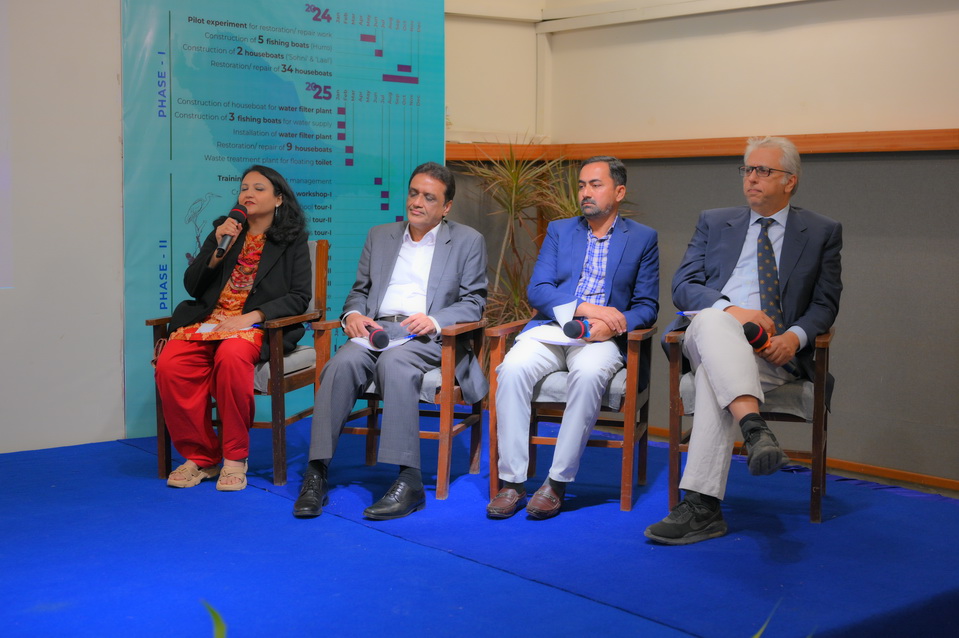
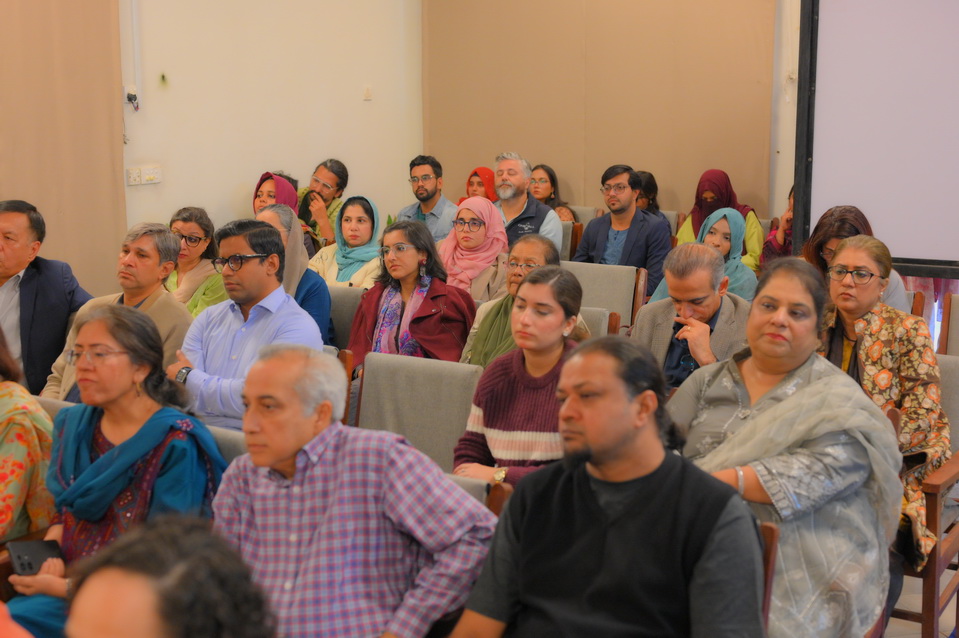
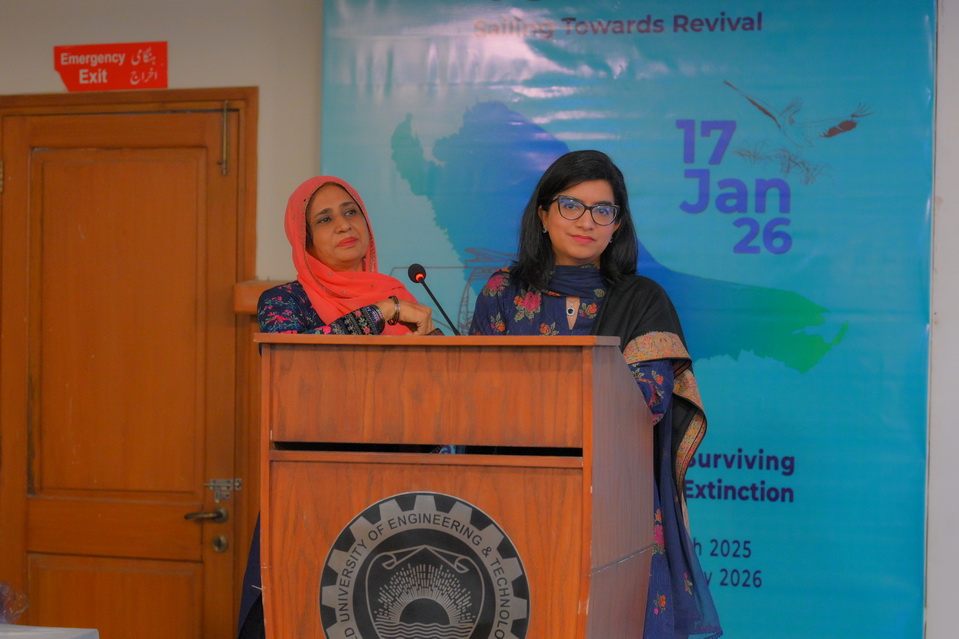
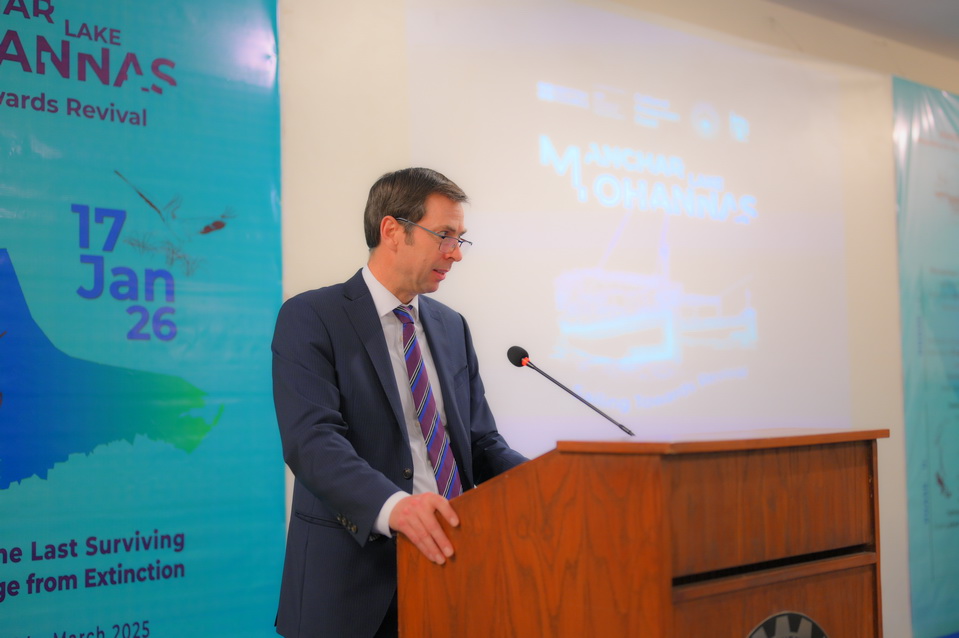
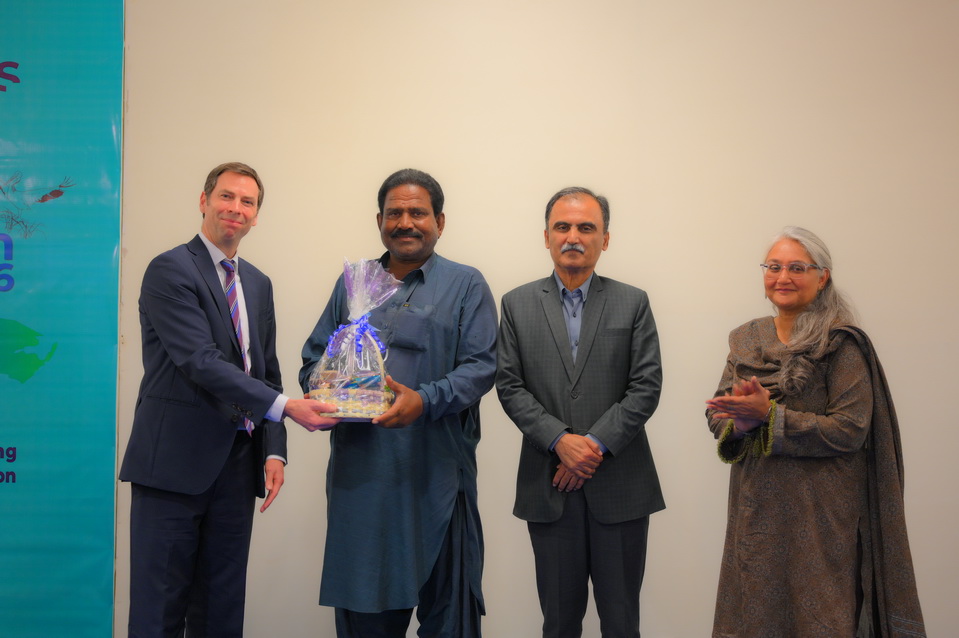
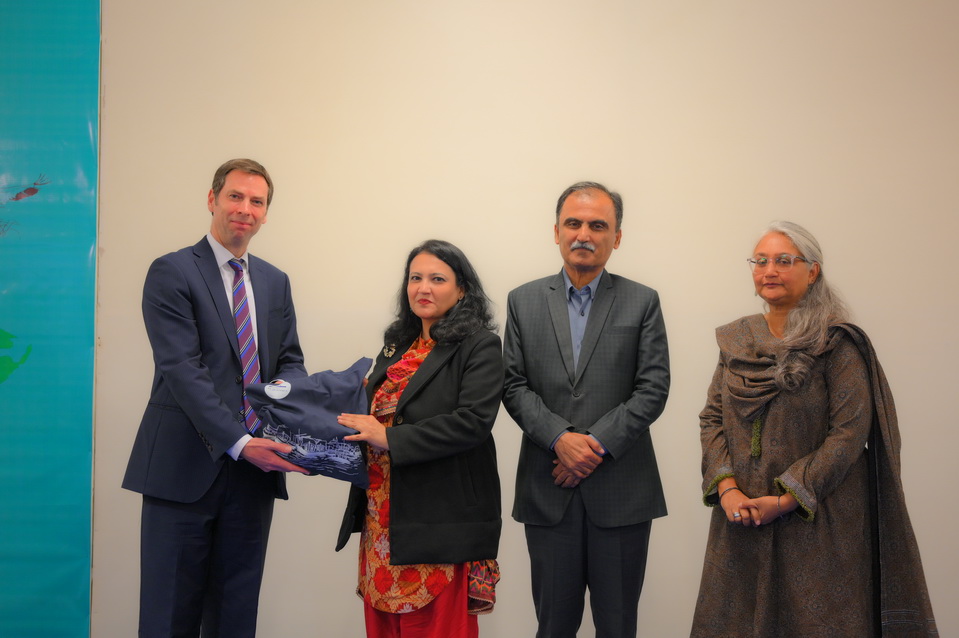
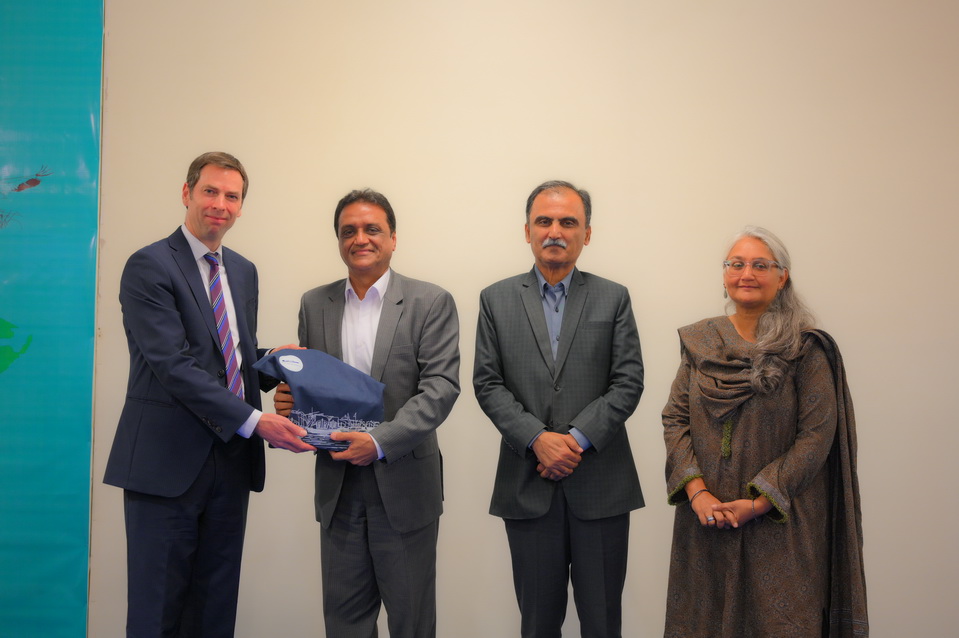
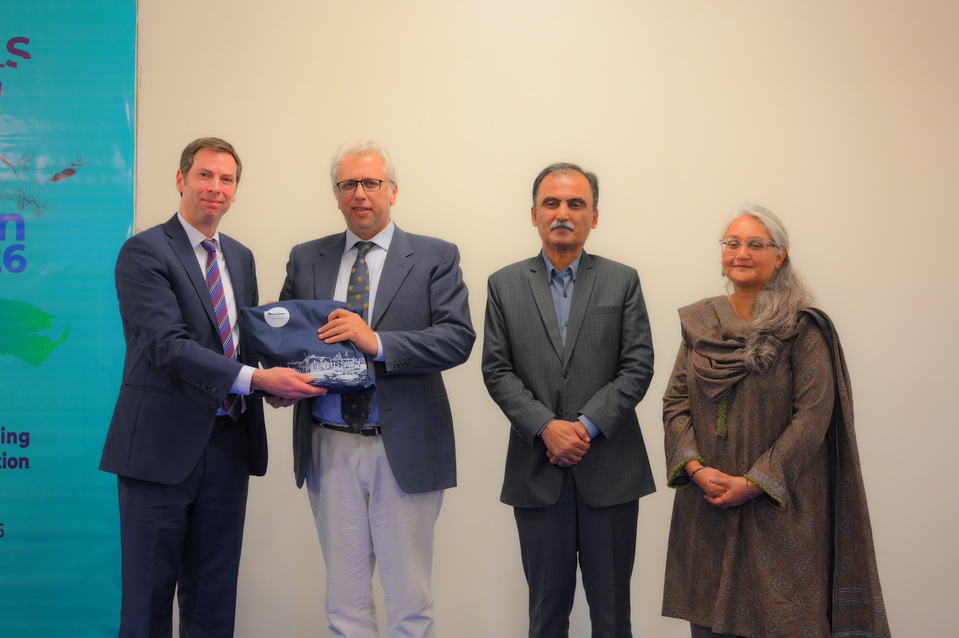
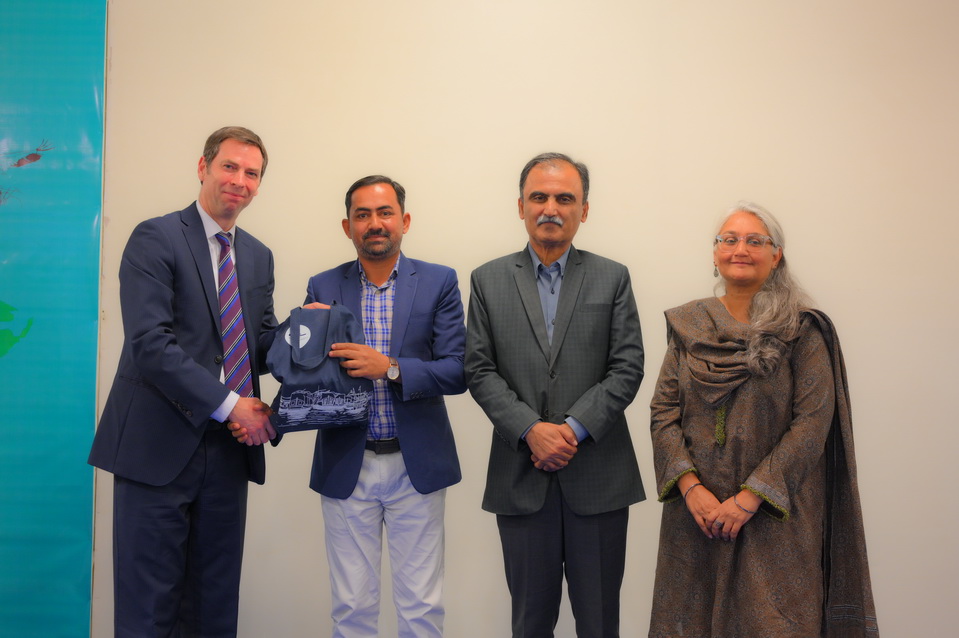
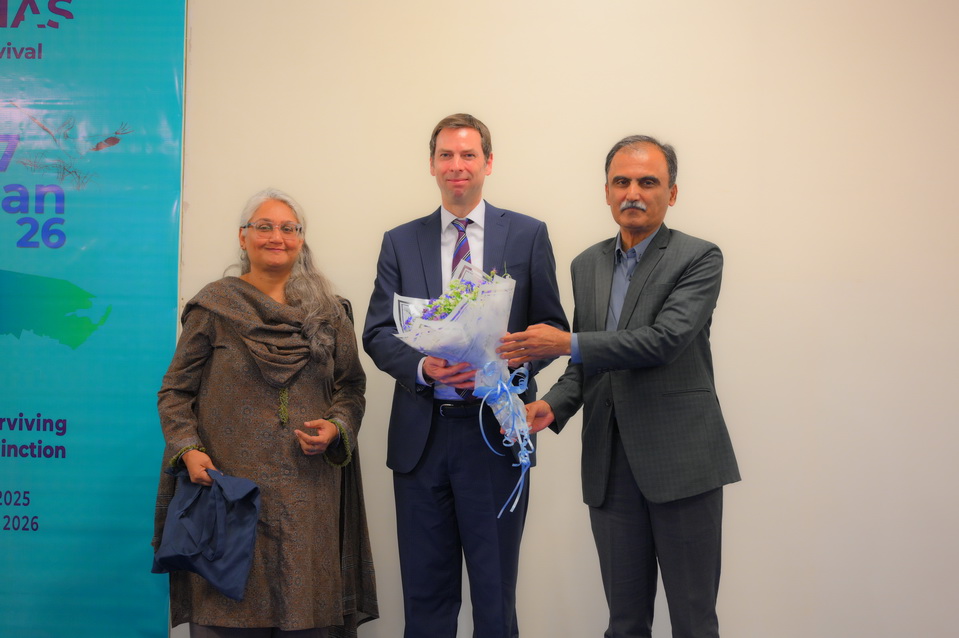
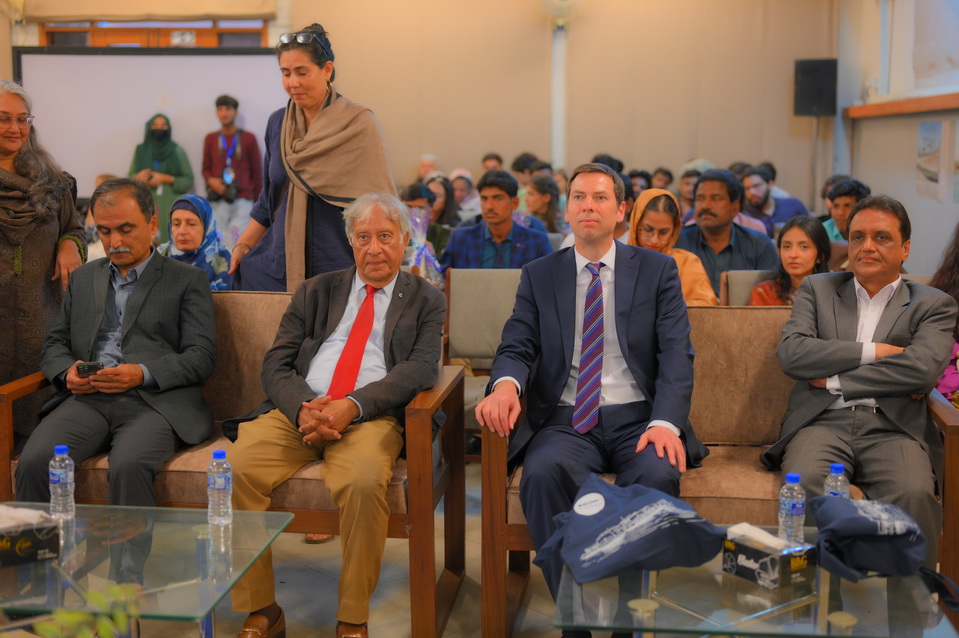
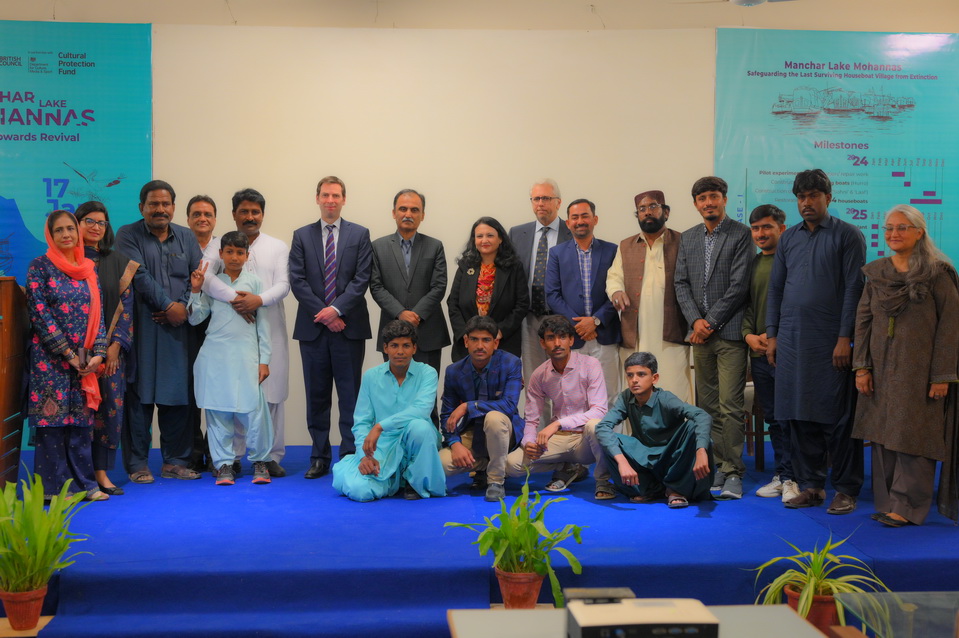
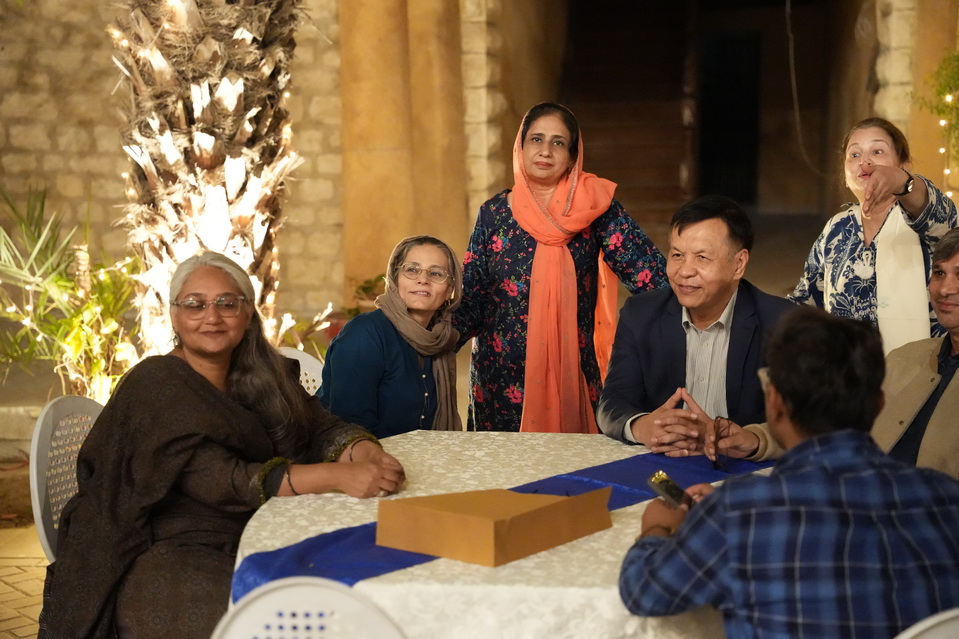
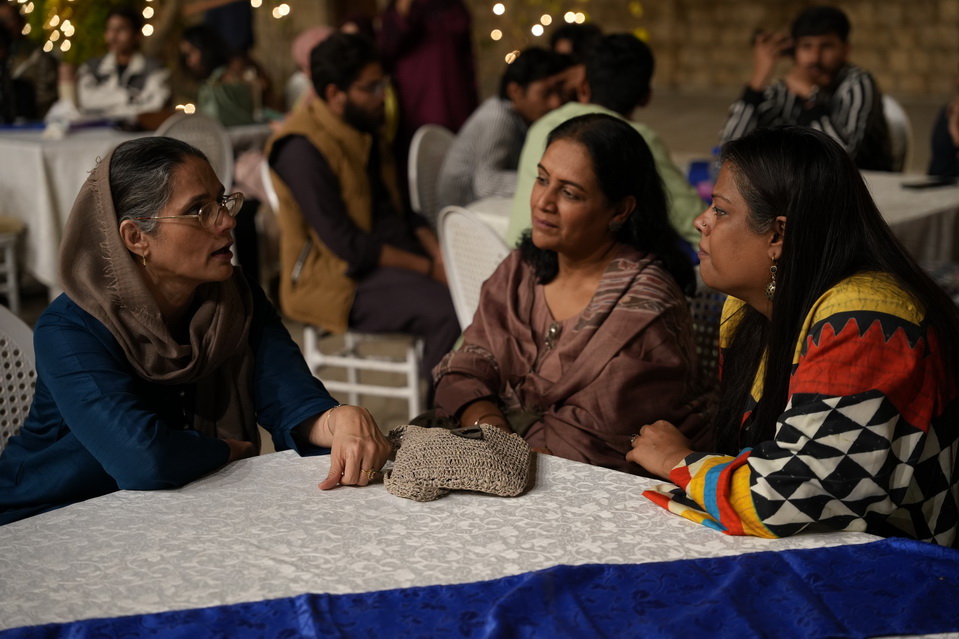
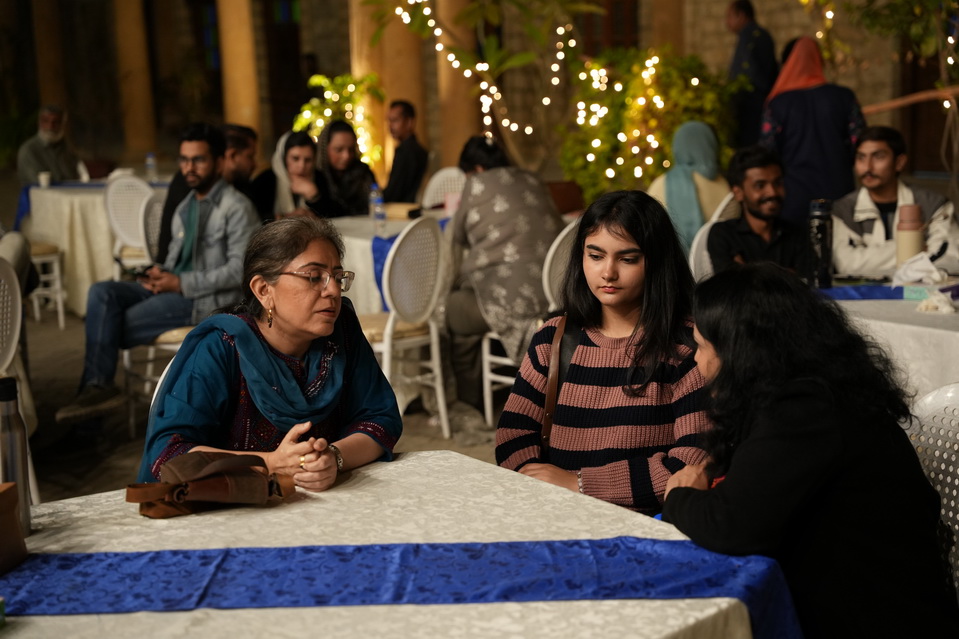
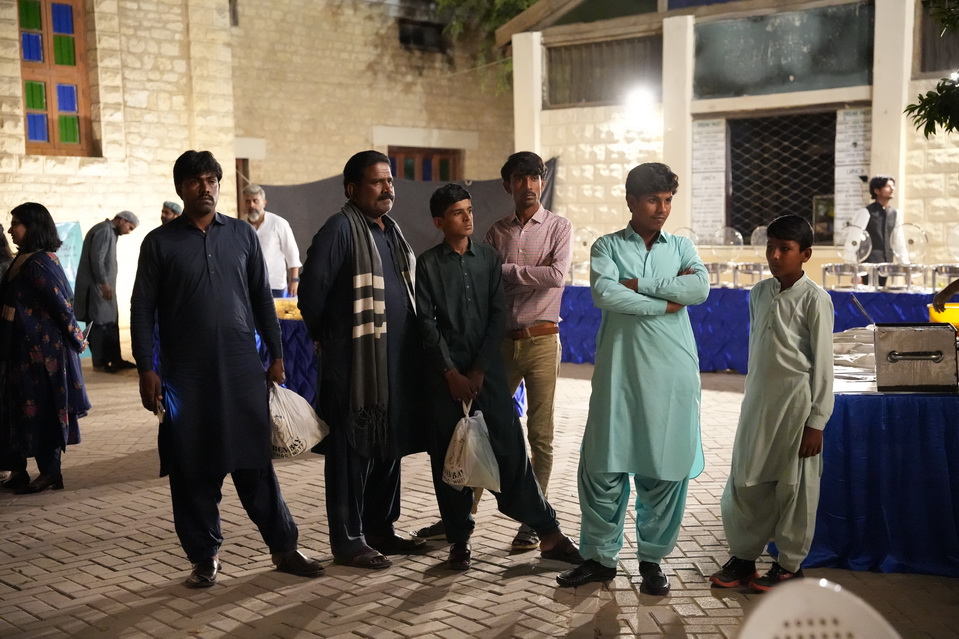
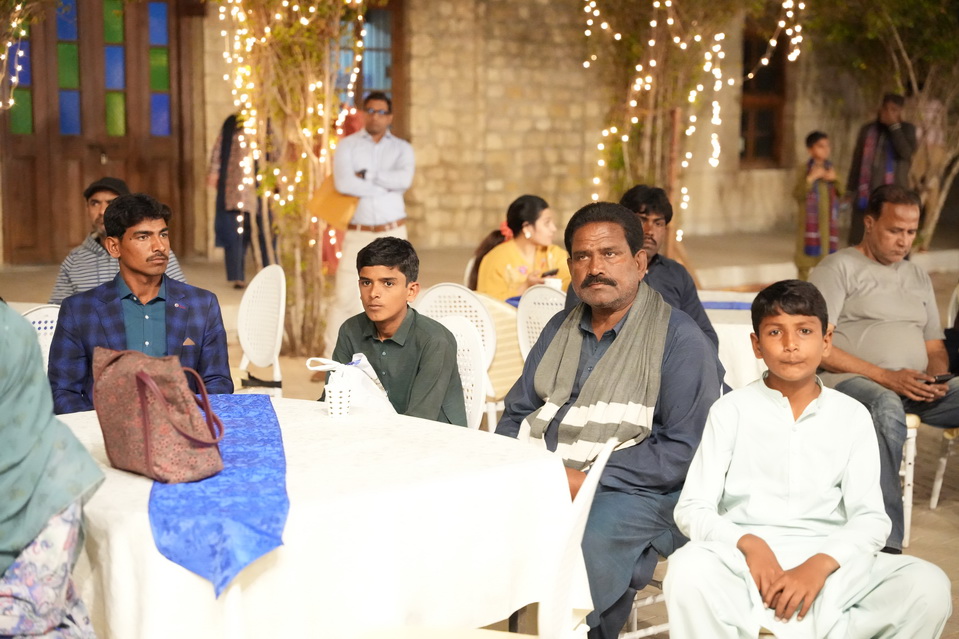
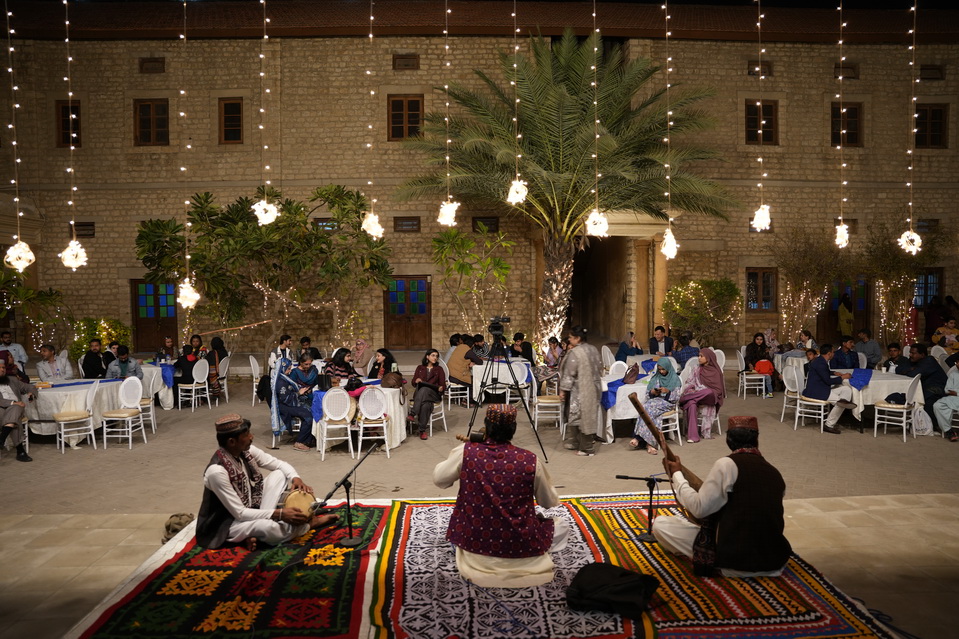
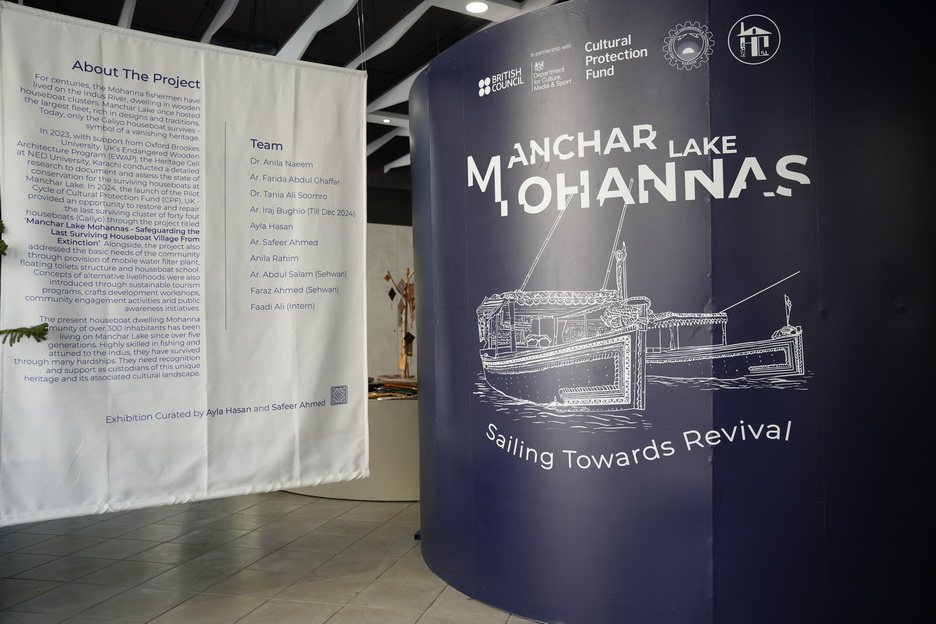
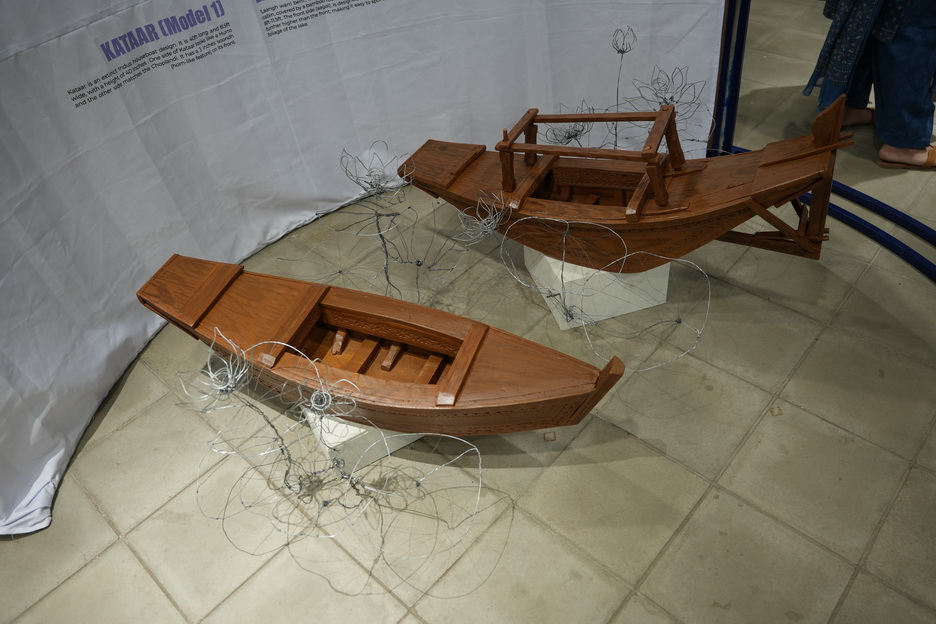
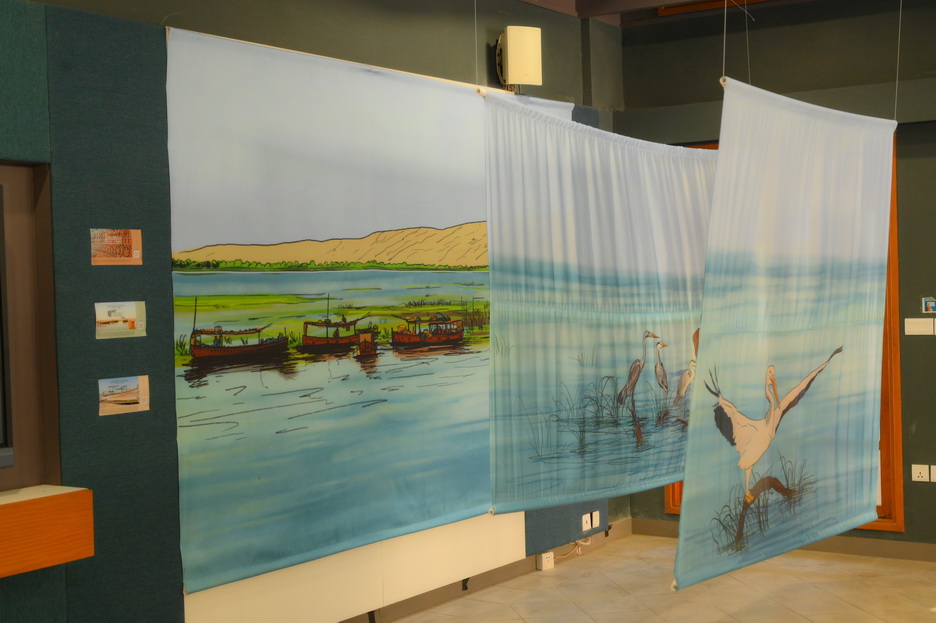
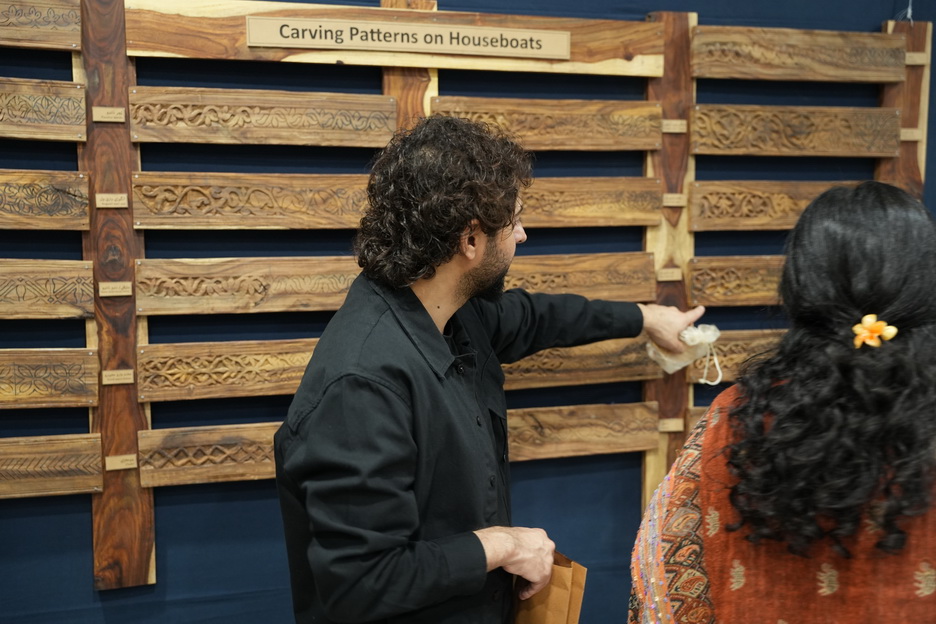
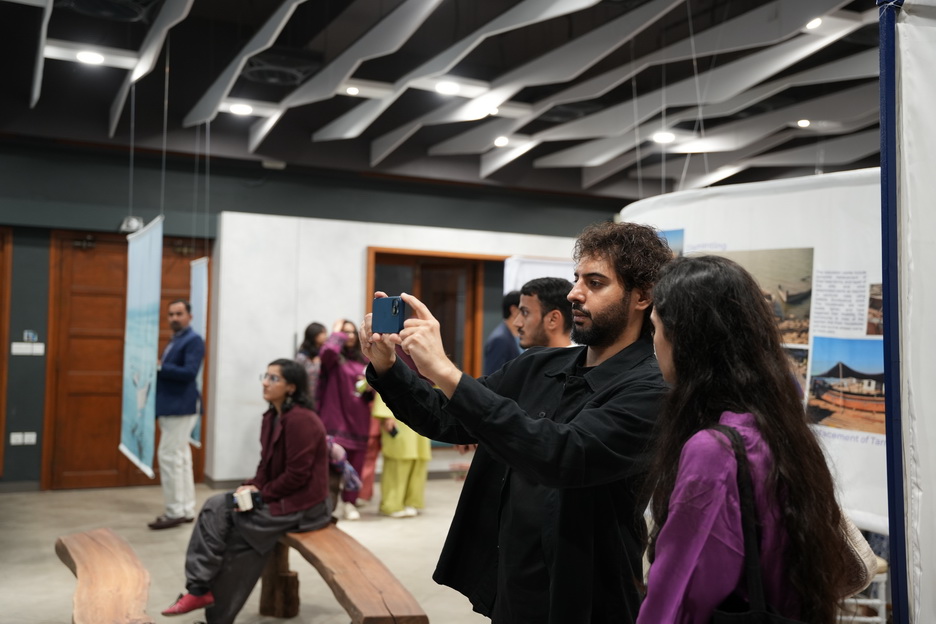
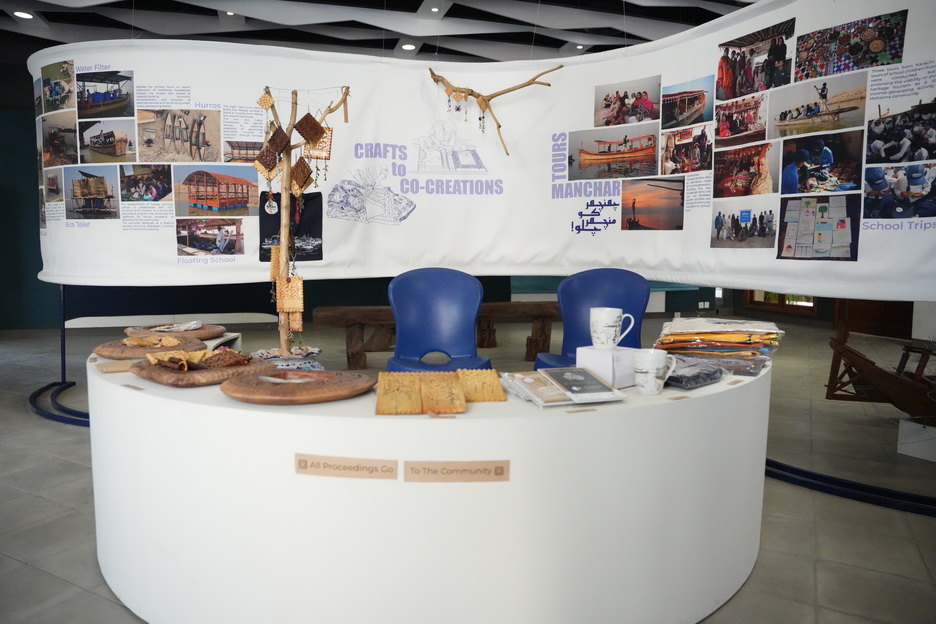
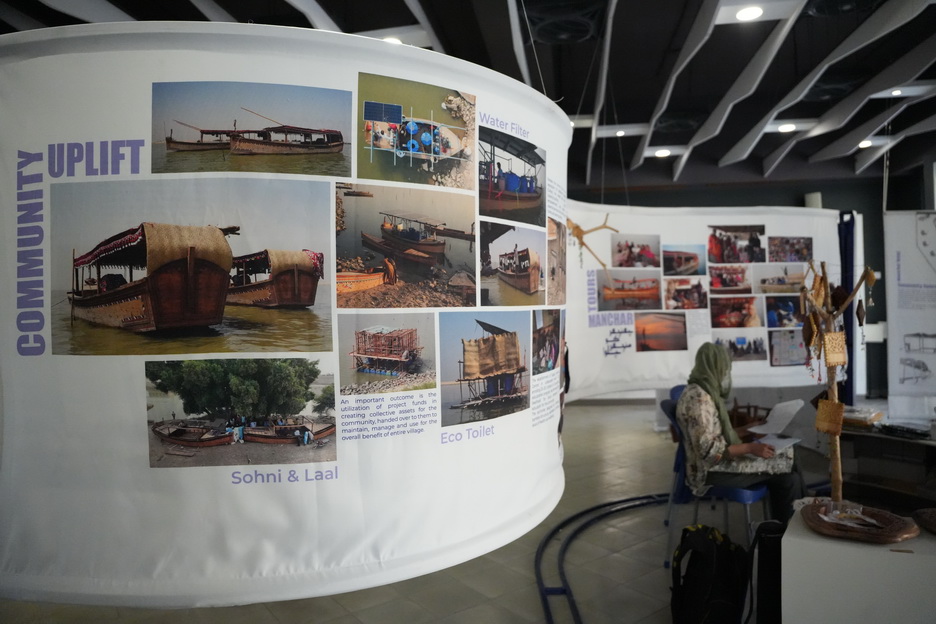
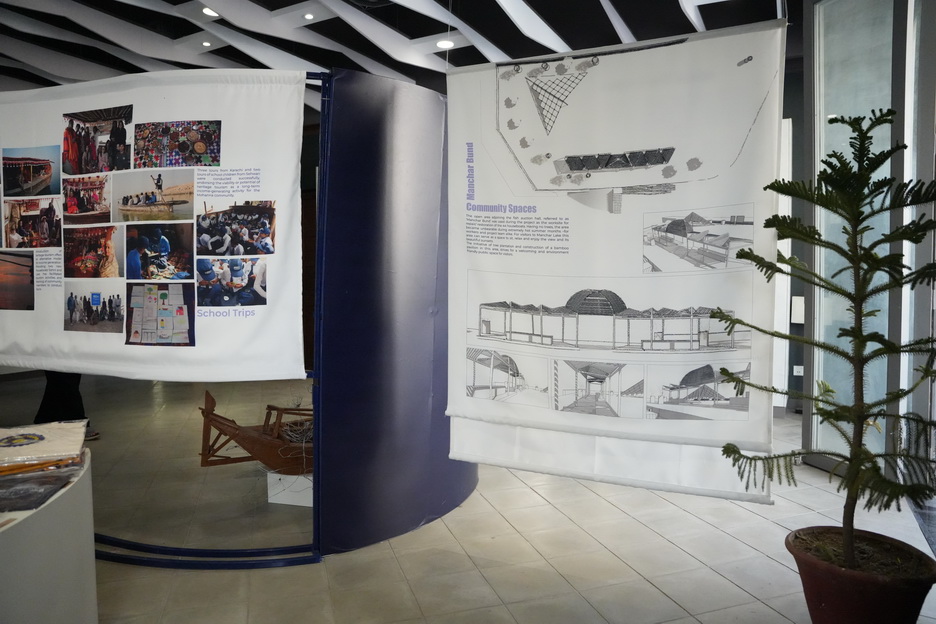
The finale event, titled, ‘Manchar Lake Mohannas: Sailing Towards Survival’ marked the culmination of a deeply collaborative and impactful project, ‘Manchar Lake Mohannas – Safeguarding the Last Surviving Houseboat Village from Extinction’, spanned over two years, dedicated to documenting, researching, preserving, restoring and improving the lived realities of the Mohanna community of Manchar Lake. Bringing together more than 150 visitors, the event welcomed community members, academics, professionals, artists, and stakeholders for an evening of reflection, dialogue, and cultural engagement at the N.E.D. University City Campus. The program offered a comprehensive overview of the project’s journey, tracing its development from the Endangered Wooden Architecture Program (EWAP) in the year 2023 to the broader initiative of Safeguarding the last surviving houseboat village from extinction in the year 2024 and 2025. Through documentary screenings and presentation by Prof. Dr. Anila Naeem, Project PI and Chairperson Department of Architecture and Planning, NED University, the event highlighted the social, environmental, and cultural challenges faced by the Mohanna community while foregrounding their resilience, identity, and heritage. A central component of the event was the exchange of ideas through a panel discussion, moderated by Dr. Tania Ali Soomro, where invited experts and stakeholders including Feyaz Ali Shah, Managing Director Sindh Tourism and Development Corporation (STDC), Dr. Uzma Bhambro, Mehran UET, Jamshoro, Dr. Abul Malik, DD Fisheries and W Ali Dehlavi, World Wildlife Fund reflected on themes including cultural survival, climate vulnerability, tourism opportunities, gender inclusion, and policy relevance. These conversations positioned the project within a wider discourse on heritage preservation, environmental justice, and community-led advocacy. The evening was further distinguished by the keynote address of Mr. Lance Dom, Deputy High Commissioner – British Council, who highlighted the importance of cultural preservation, local participation, and international collaboration in addressing the challenges faced by marginalized communities. The event also acknowledged the invaluable role of those involved in the project through the presentation of souvenirs to community members, team members, and panelists.key highlight of the closing event was tA key highlight of the closing event was the opening of two exhibitions: Manchar Lake Mohannas: Sailing Towards Survival, showcasing the project’s outcomes and merchandise, curated by Heritage Cell team members Ayla Hasan and Safeer Ahmed; and Manchar Lake Mohannas Art Residency, featuring artworks produced during the residency, curated by Sohail Zuberi. Together, these exhibitions presented a compelling body of visual documentation, artistic interpretations, research outputs, and community narratives, offering visitors an immersive insight into the project’s scope, process, and impact. The exhibitions remained open to public till 20 January 2026. The cultural dimension of the evening was further enriched through a folk music performance by Hasan Meer Bahar, celebrating indigenous traditions and reinforcing the emotional and cultural essence of the gathering. The event concluded with dinner, fostering informal interaction and exchange among participants from diverse backgrounds. As a whole, the final closing event stood as a meaningAs a whole, the final closing event stood as a meaningful convergence of research, cultural expression, advocacy, and community engagement. More than a celebration of project outcomes, it reaffirmed the urgent need for sustained dialogue, inclusive development, and long-term commitment toward the survival, dignity, and cultural continuity of the Mohanna community of Manchar Lake. |
|
||