| CPF Phase-I |

|
On 16 October 2025, the Heritage Cell, Department of Architecture and Planning at NED University, organized an educational excursion for 17 students accompanied by 2 teachers from Government High School, Sehwan, to Manchar Lake, Pakistan’s largest freshwater lake. Led by Heritage Cell team members in coordination with local coordinator and community members, the tour aimed to provide students with firsthand exposure to the lake’s ecology, as well as the unique culture and lifestyle of the Mohanna houseboat community.
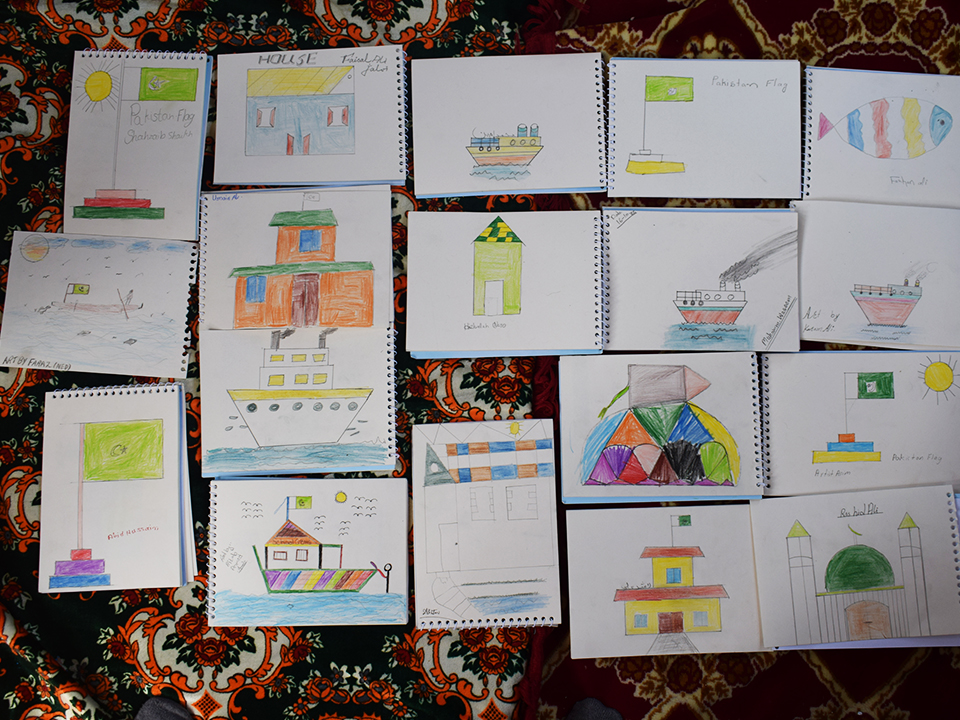
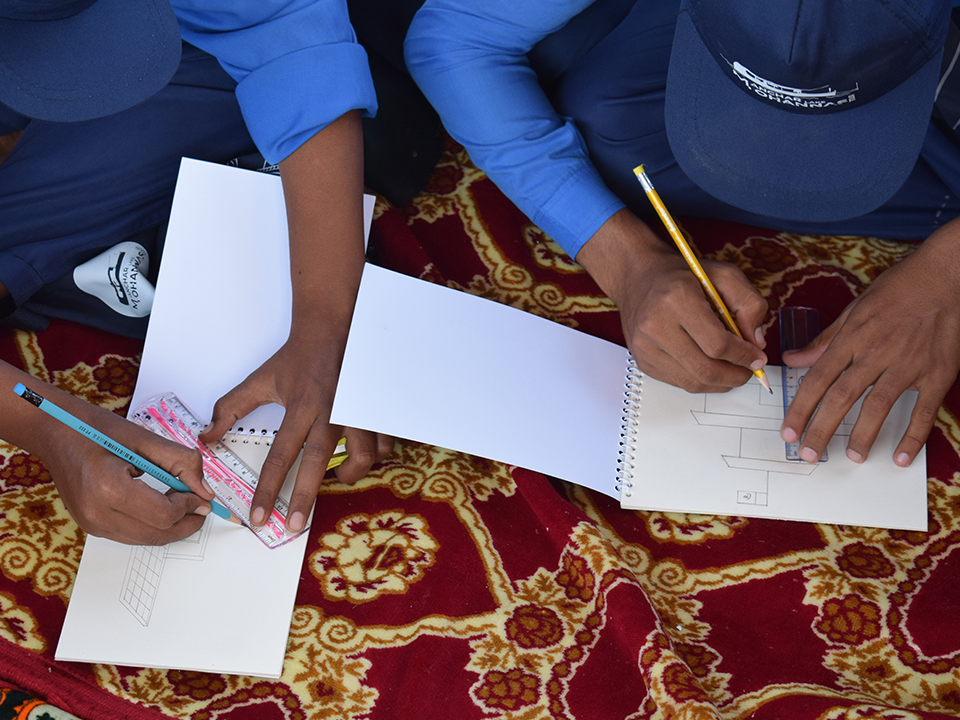
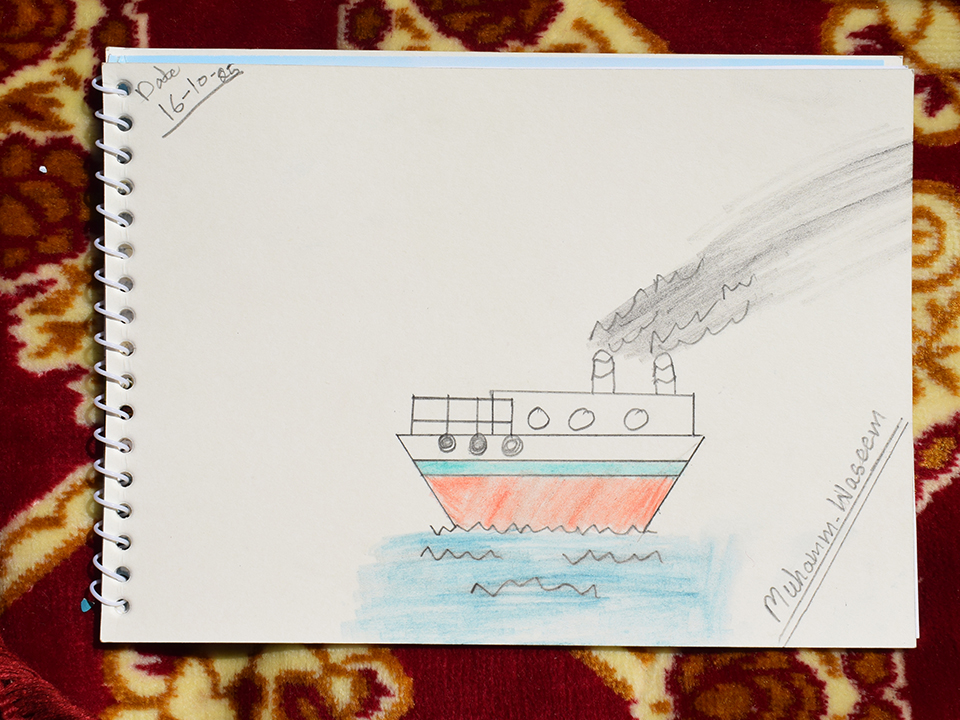
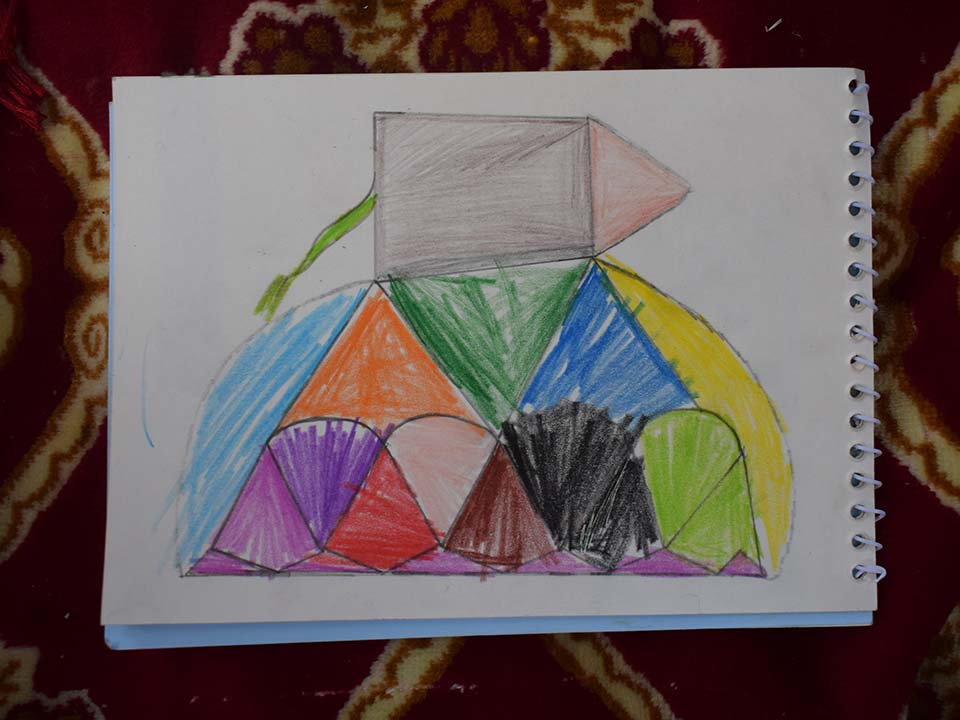
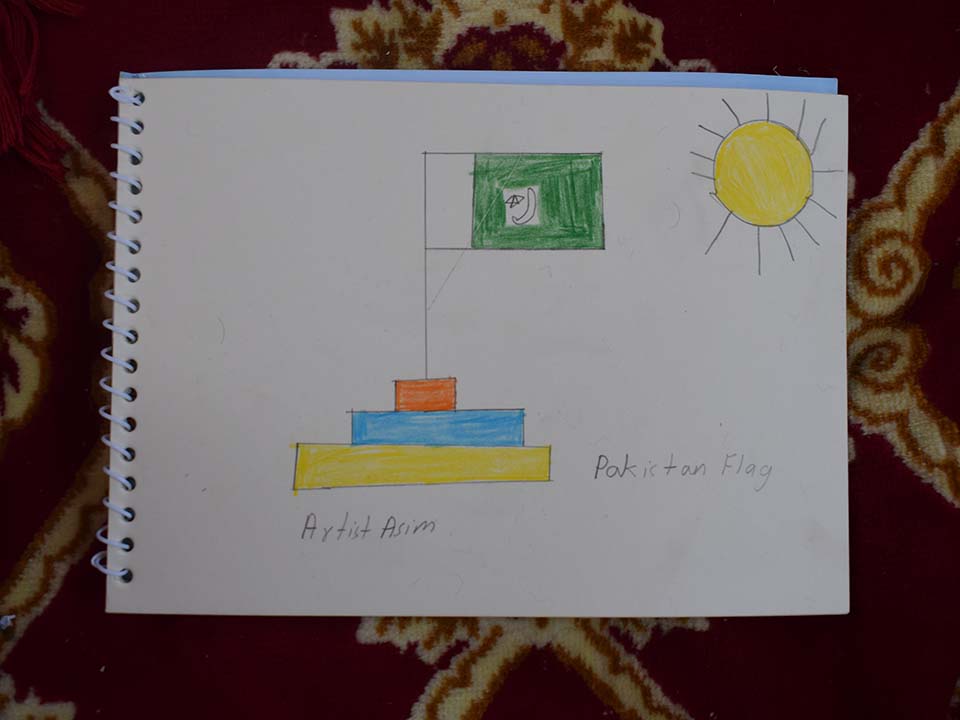
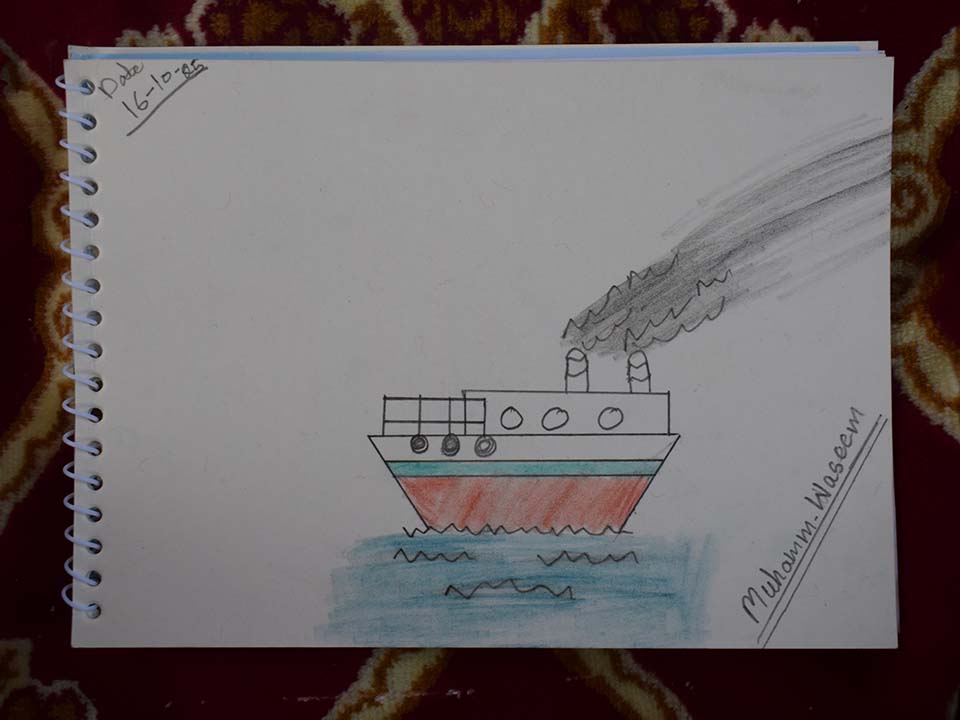
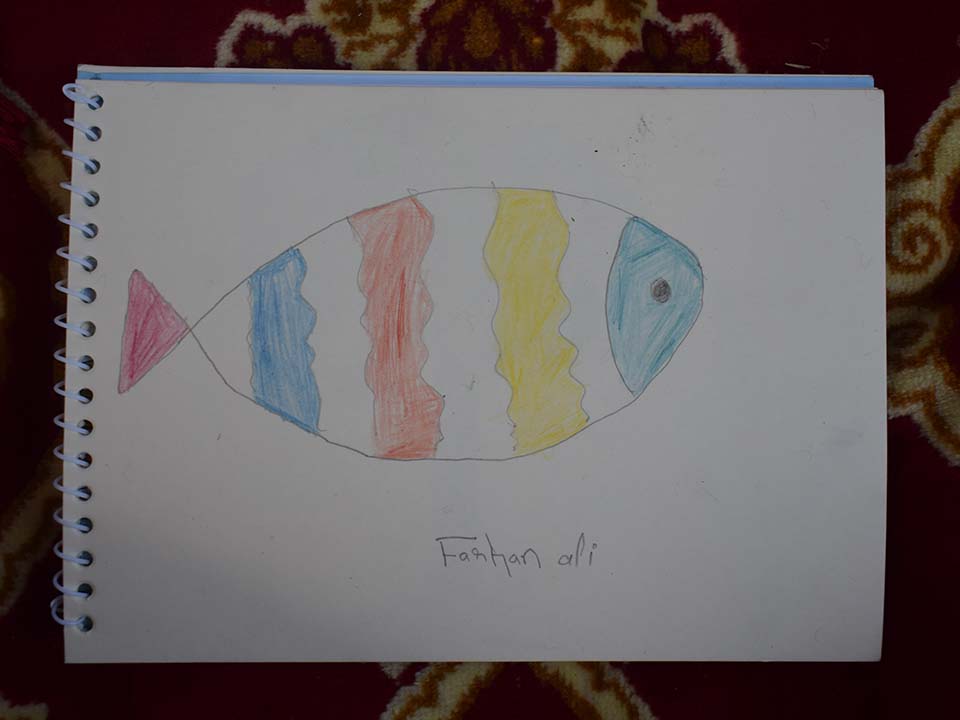
Upon arrival, students were welcomed by local guides and community elders, who introduced them to the geographic and ecological significance of Manchar Lake. They learned about the lake’s transformation over time, including the environmental challenges caused by pollution and saline water inflows, and their impact on aquatic life and local livelihoods. A key highlight of the tour was a guided boat ride through the last surviving floating village of the Mohanna community. Students explored traditional wooden houseboats, known as “Galiyo,” and gained insights into their construction, architecture, and the community’s water-based way of life. They also learned about traditional practices such as fishing, bird catching, and craft-making, which are deeply tied to the lake’s ecosystem. To encourage engagement, students participated in a sketching activity, capturing scenes of the lake, houseboats, and daily life. They also observed aspects of Mohanna culture, including pet birds and fish-drying practices. The visit concluded with reflections from students and teachers, many of whom described the experience as eye-opening. Overall, the tour successfully connected students with an important cultural landscape, highlighting the need to preserve both the natural environment of Manchar Lake and the living heritage of the Mohanna community. https://architimesonline.com/manchar-lake-field-studies-nature-people-and-place/ |
|
||