| CPF Phase-I |

NAMRA KHALID
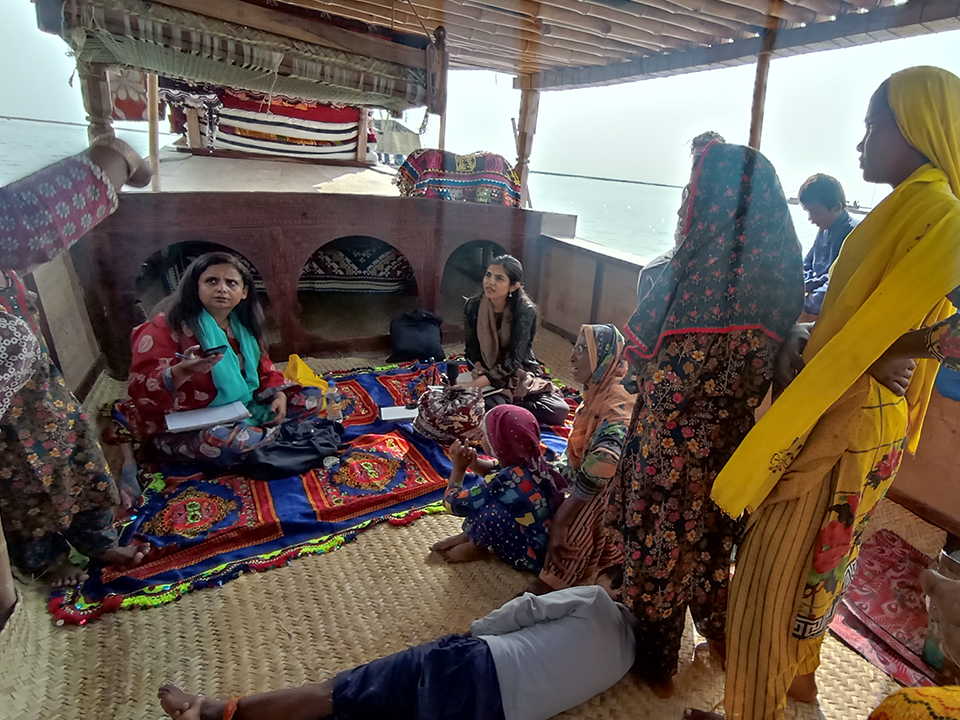
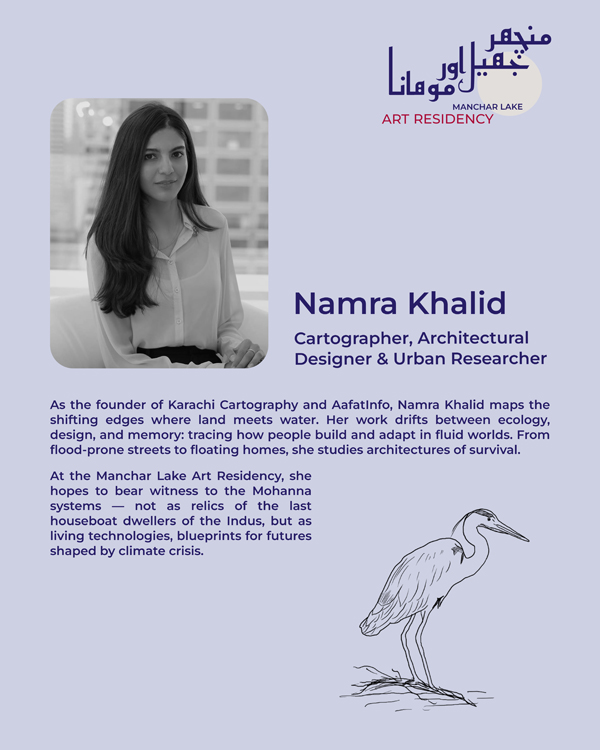 Artist Statement & Details | Manchar Lake Art Residency As a climate-adaptation practitioner, my work has long focused on finding ways for Pakistan’s chronically flooded communities to endure an increasingly water-logged life. Most of this work has centred on building resilience in flood-prone streets and neighbourhoods. But the Mohannas of Manchar Lake, who are said to have lived on floating homes for more than 3,000 years, offer a different, radical perspective: not merely how to survive submergence, but how to find possibility within. |
|
||
|
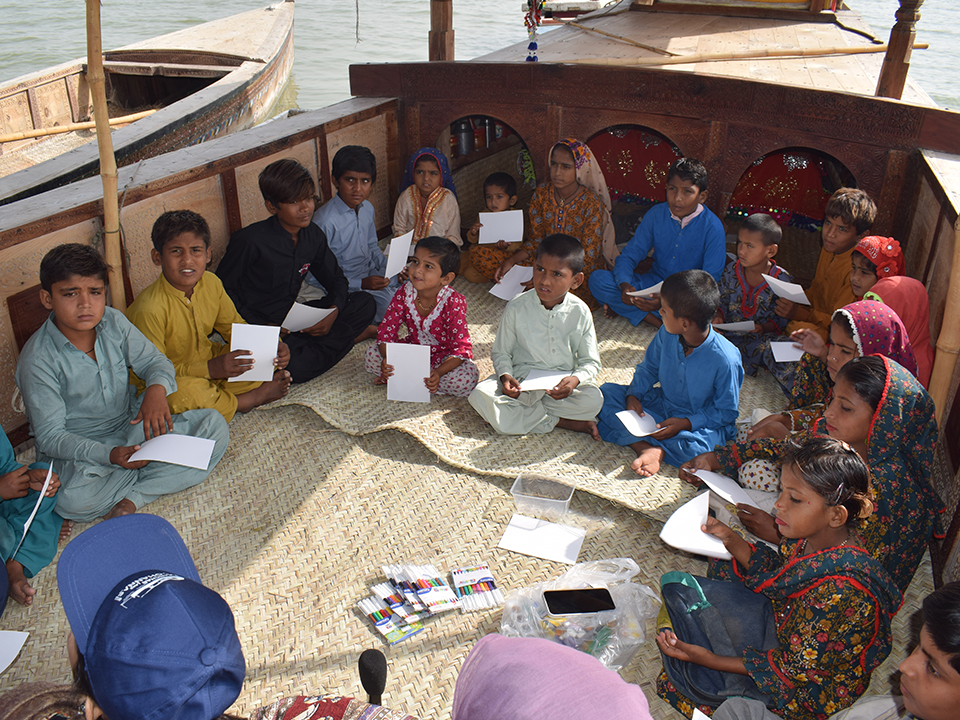
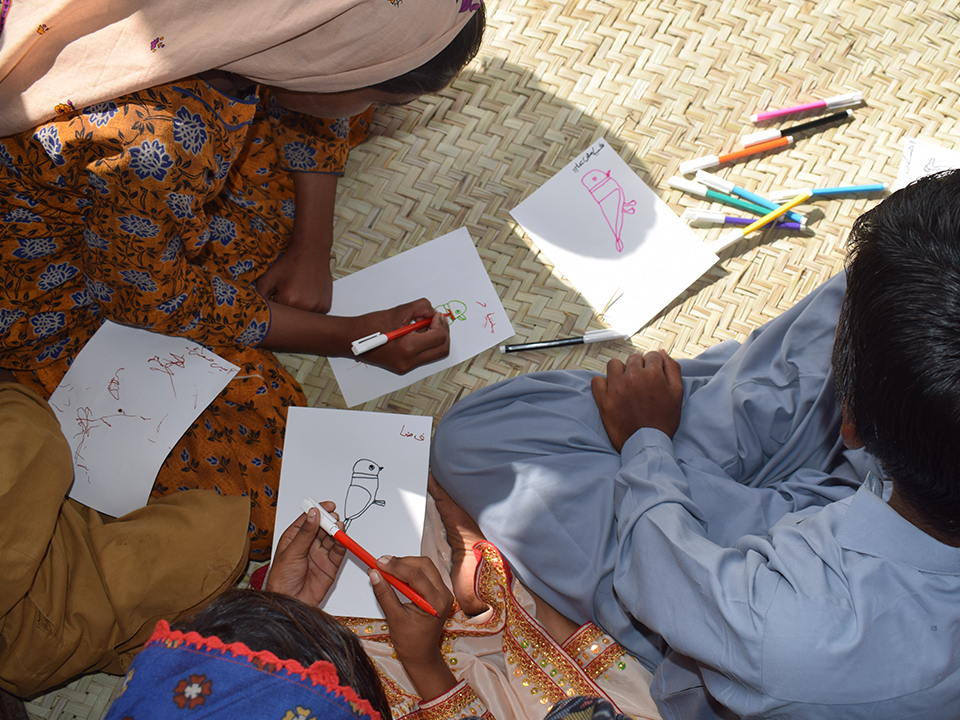
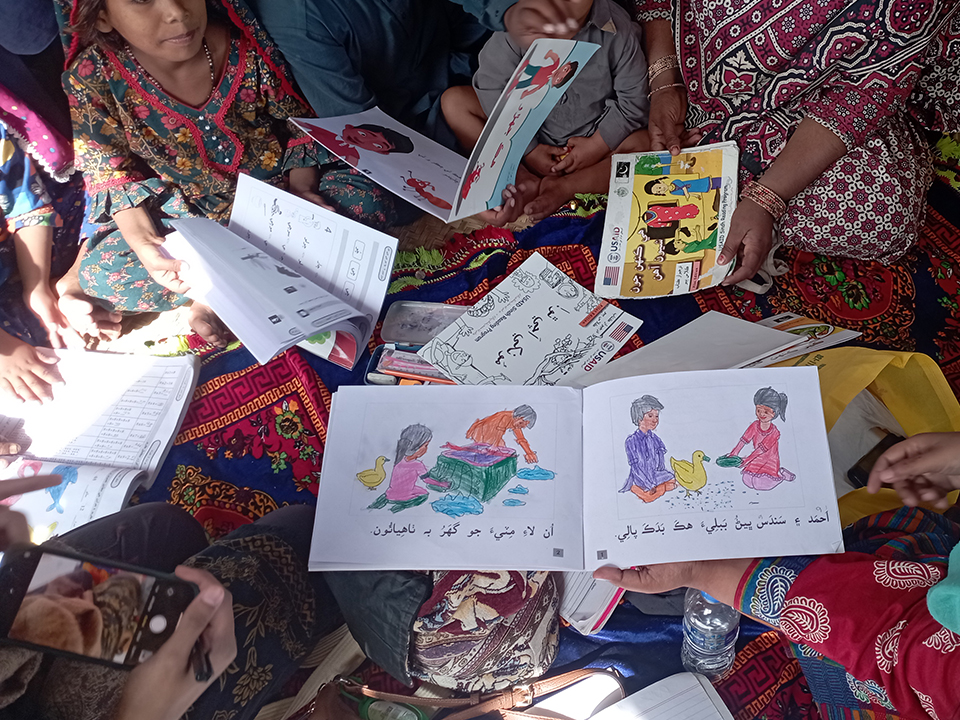
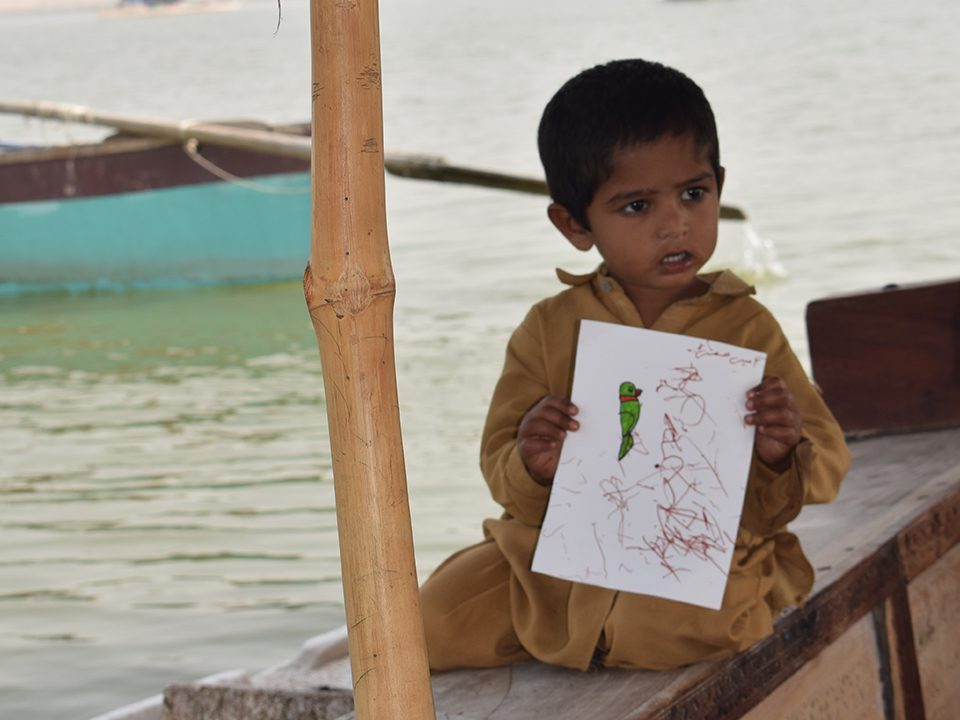
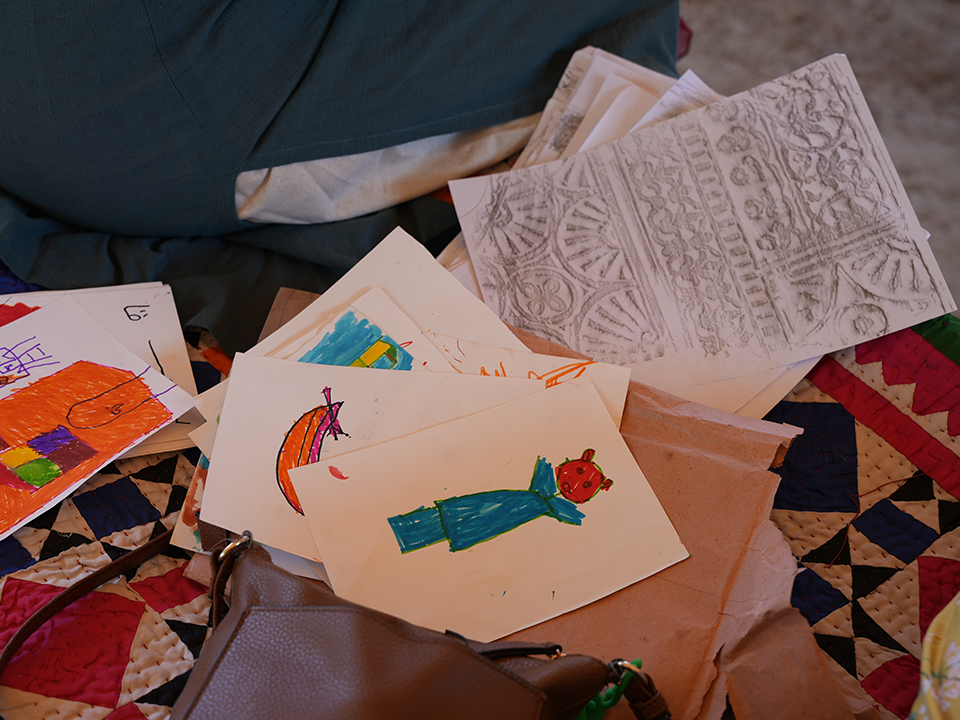
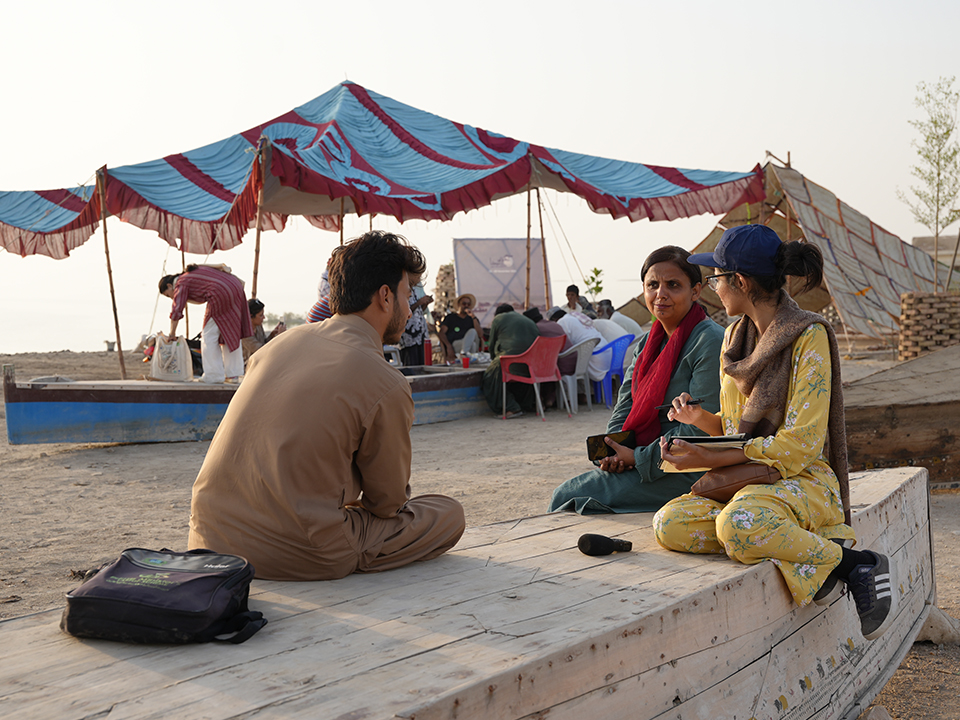
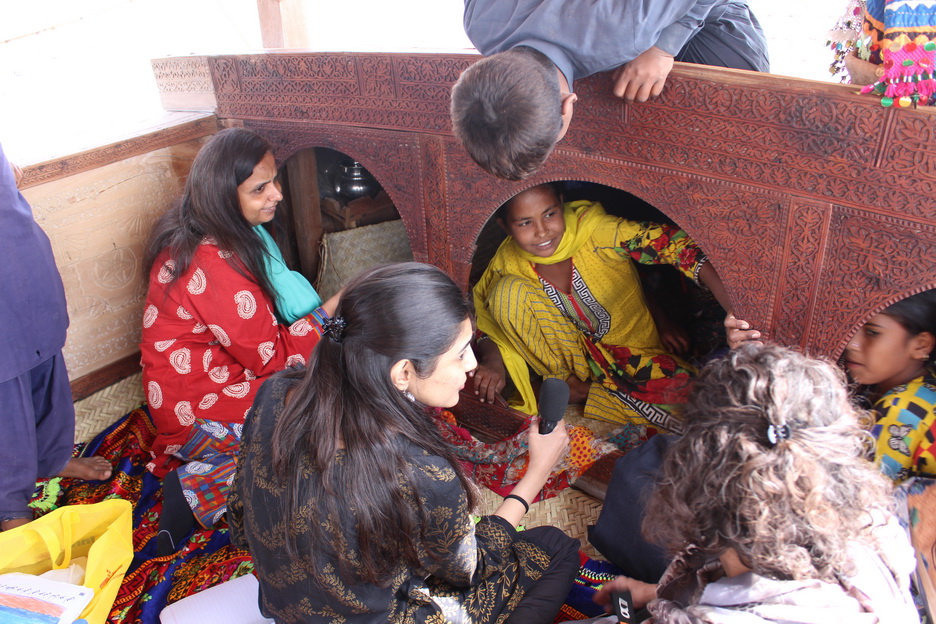
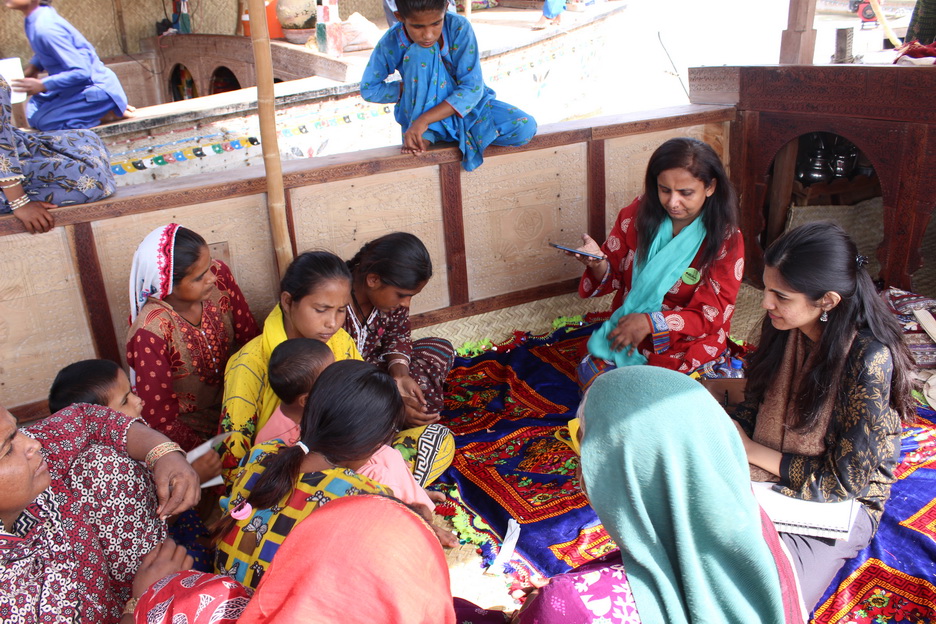
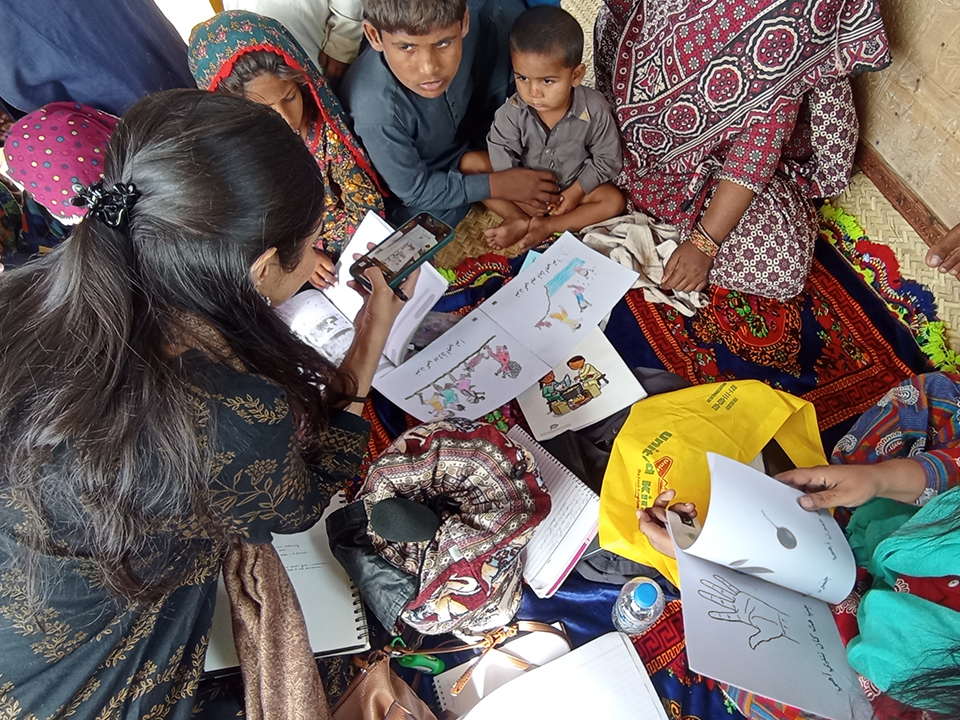
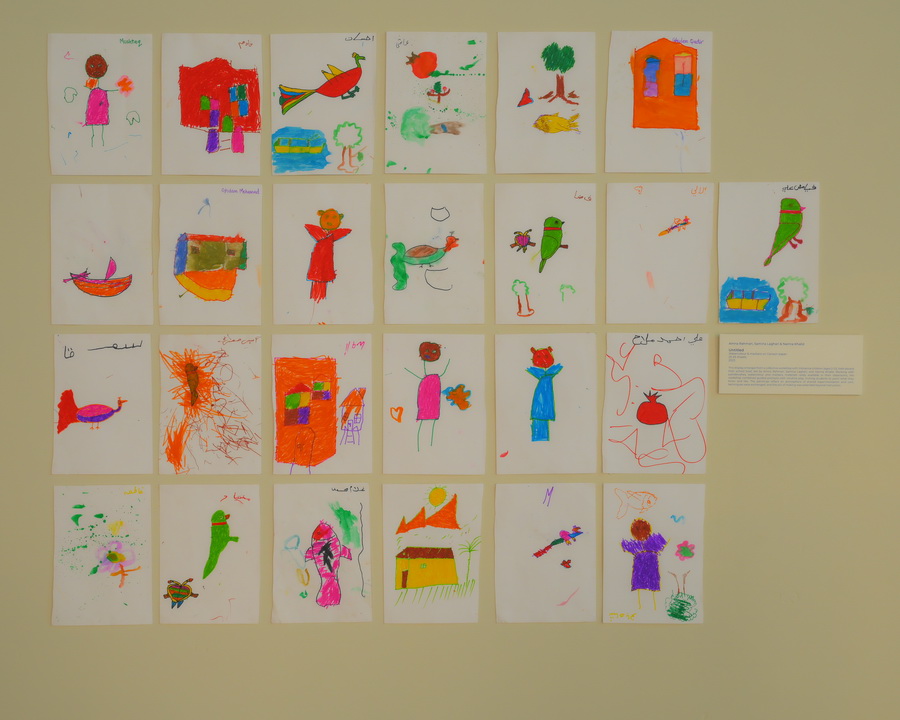
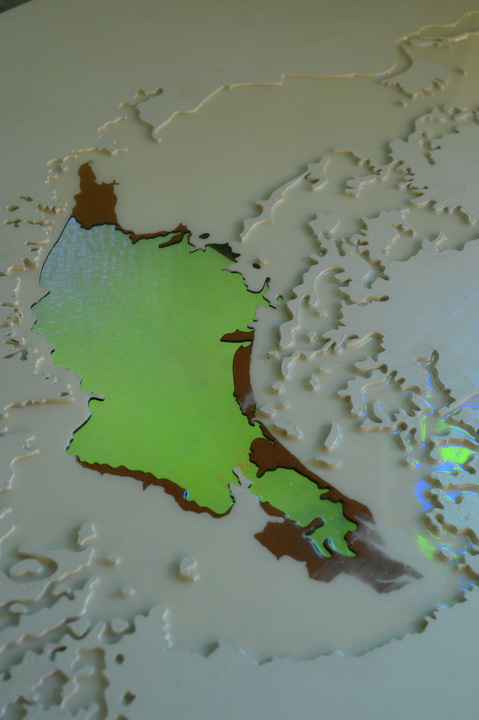
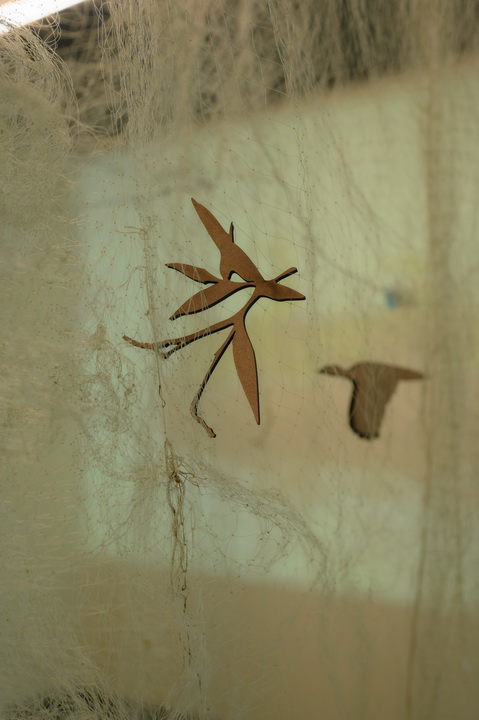
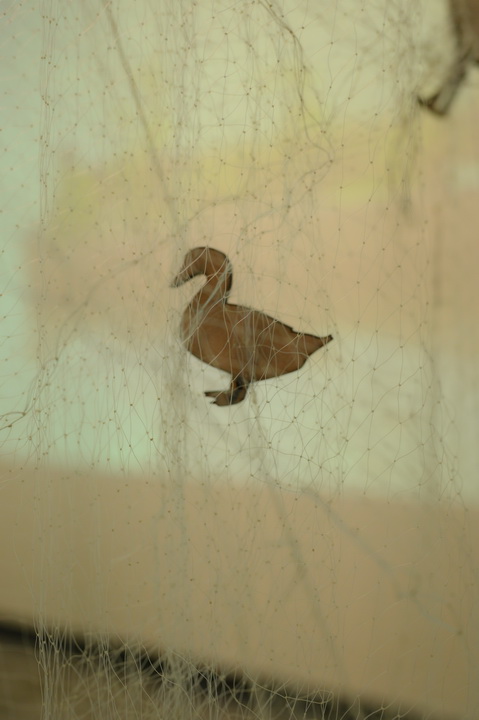
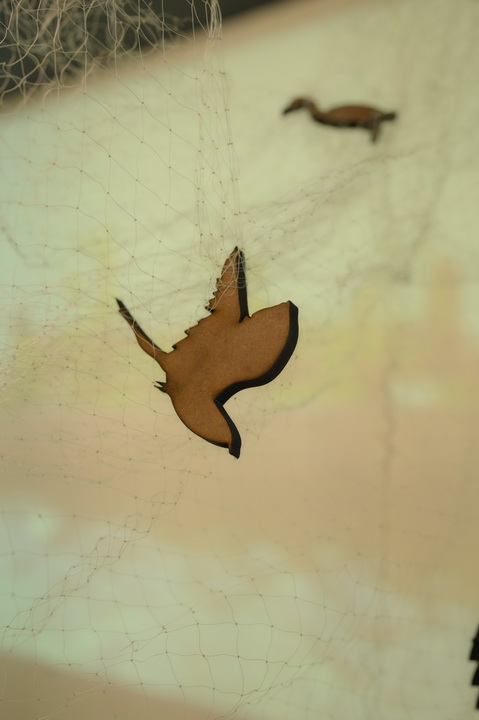
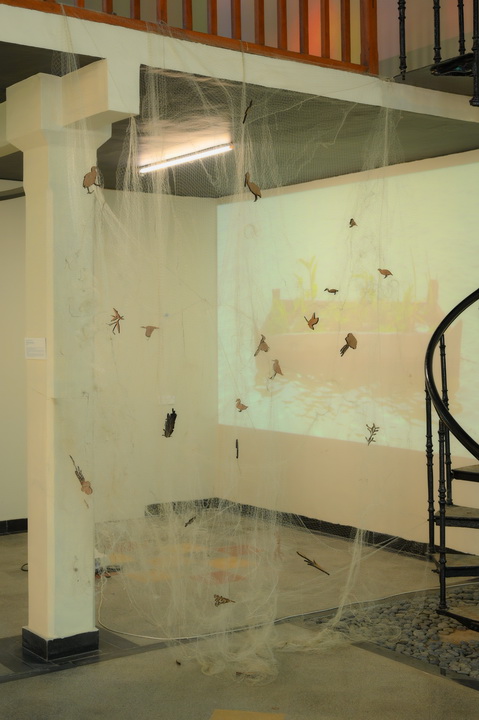
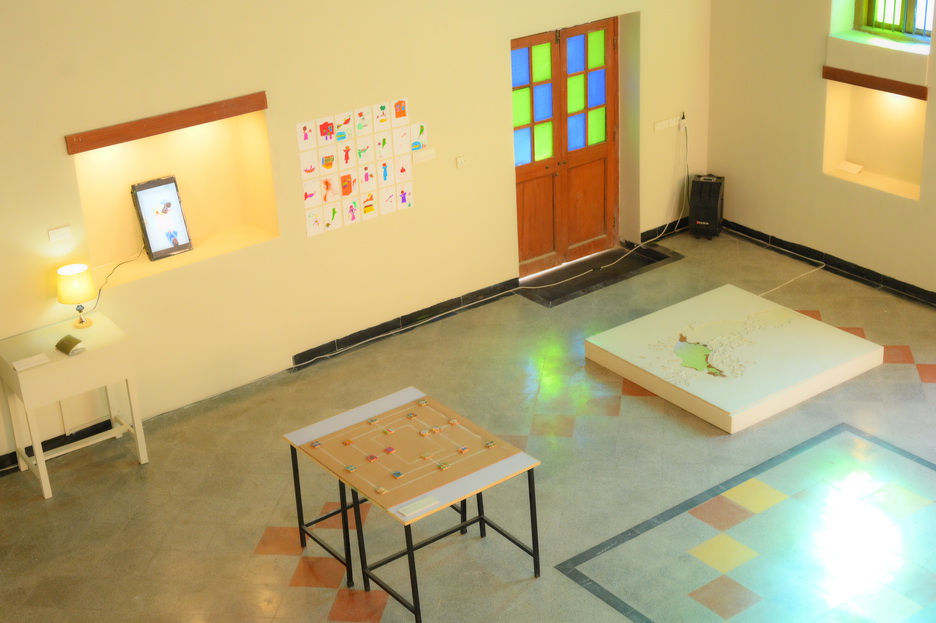
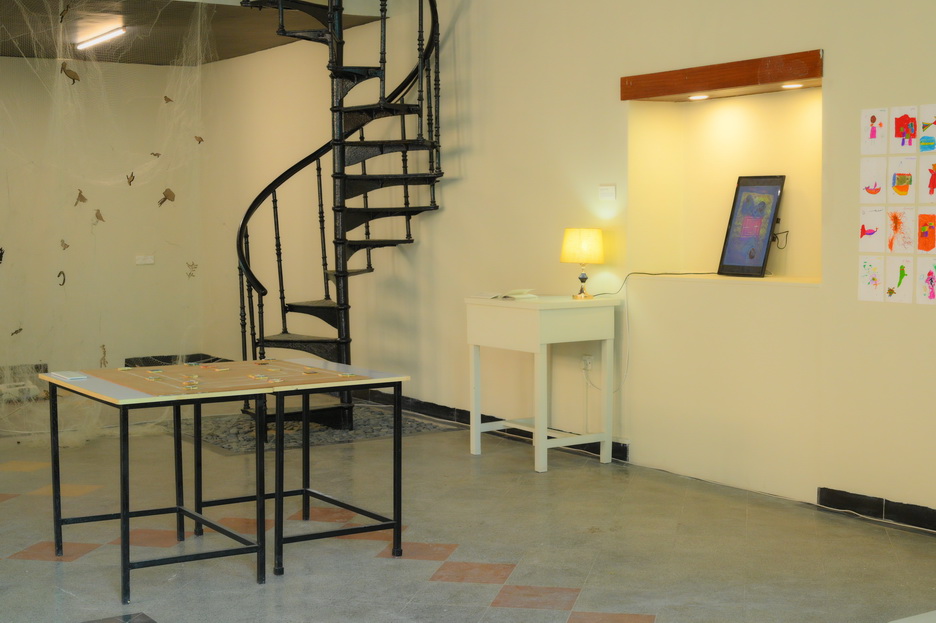
The Mohannas’ way of life reframes the question entirely. It shows what it means to make opportunity in a submerged world, to become not adversaries of water but companions to it. Known as Mir Bahaar, the “Lords of the Abundant Waters,” their culture is not just the last living trace of the Indus’s houseboat dwellers; it is a form of living technology. For me, they have become a guiding force, a reminder that for Pakistan to withstand the climate future ahead, we must learn not only to resist water, but to make peace with it. As the motto of my practice goes: دوست بھی پانی دشمن بھی پانی لکھنی ہے تمہے کونسی کہانی (Friend or foe, water will flow Where it takes you is up to you) To begin this inquiry, I return to the cartographic roots of my practice, tracing the ever-shifting edges where land meets water, how Manchar absorbs the impacts of climate change and the lingering footprint of human injustice. My sculptural video-map installation adopts the macro-view of a Great White Pelican migrating from the south of the Sahara, hovering above the lake as it moves through three states: drought, median water level, and maximum flood retention. The soundscape brings the audience closer to the ground: the slap of water against the hulls of ghalios, the soft drag of bamboo oars steering hurros, the shuffle of rocks nearby, the calls of birds, the hum of crickets, the voices of women and children, and the rhythms of local celebration echo across the artist’s works. Bringing the work even closer to the community, the piece draws on interviews with women, children, elders, and the now-on-land descendants of the Mohannas. It moves between ecology, design, and memory, tracing how people build and adapt in fluid worlds, and the injustices that create barriers to that adaptation. In collaboration with Samina Hasan Laghari, my small wooden sculptural elements find home on her fishnet installation, revealing layered narratives of femininity, resilience, and the delicate architectures of life lived on water. Manchar: Cartographies of Submergence Medium: Multimedia Installation 2025 To begin this inquiry, I return to the cartographic roots of my practice, tracing the ever-shifting edges where land meets water, how Manchar absorbs the impacts of climate change and the lingering footprint of human injustice. My sculptural video-map installation adopts the macro-view of a Great White Pelican migrating from the south of the Sahara, hovering above the lake as it moves through three states: drought, median water level, and maximum flood retention. Amna, Namra, Samina (COLLAB – drawings) Untitled Medium: Watercolor on sheets A4 2025 Statement for the drawings This display is the outcome of a collaborative workshop with Mohanna children (ages 8–12) led by Amna Rahman, Samina Laghari and Namra Khalid. The workshop focused on mark-making as a way of learning by tracing wooden motifs found on their boats. Through this process, the children were introduced to the idea that these marks carry historical and cultural value as part of their indigenous heritage. The drawings presented here reflect a collective process of making and learning, where familiar objects became sites of memory and drawing functioned as a means of recognising inherited visual languages rooted in Manchar Lake. |
|||